×

Obtenga una cuota gratis

Nombre* Correo electrónico* Empresa* Tu mensaje*

Producto

Inicio / Producto

Shincell New Material CO.,LTD.

  Suzhou Shincell New Material Co., Ltd es una China fabricante de espumas poliméricas ligeras and fábrica de material termoplástico TPU, Nosotros ofrecemos Hojas y esteras de espuma al por mayor para la venta en línea. Usamos gases N2 y CO2 que se encuentran comúnmente en el aire para expandir los plásticos y formar una gran cantidad de micro y nano burbujas en el interior, un proceso de formación de espuma puramente físico.
  Shincell fue fundada por el Dr. Xiulei Jiang. Comenzó su investigación sobre tecnología de formación de espuma con fluido supercrítico en la Universidad de Ciencia y Tecnología de China Oriental en 2003 y propuso el proceso técnico de formación de espuma microcelular moldeada supercrítica. Su interés inicial radica en espumas poliméricas ligeras, y su principal producto son las láminas de espuma microcelular de PP. Inspirándose en la entresuela adidas boost derivada de la espuma de perlas de TPU, comenzó a estudiar la tecnología de espuma de láminas de material de TPU termoplástico en 2015. Sobre la base de estos años de investigación básica, Shincell ha formado dos series de productos: materiales livianos suaves de alta elasticidad y materiales livianos duros de alta resistencia. Los productos suaves de alta elasticidad incluyen TPU, TPEE y PEBA, PEBAX, etc., y Los productos duros de alta resistencia incluyen PP, PVDF, PPO, PA, etc.
SHINCELL
ÚLTIMAS NOTICIAS
How Does Foaming Technology Impact the Mechanical Properties of TPEE Sheets?
2026-02-12
Introduction Thermoplastic polyester elastomers (TPEE) represent a class of block copolymers combining the elasticity of rubber with the processability of thermoplastics. When foamed, TPEE transitions from a dense, solid form into a cellular, lightweight structure known as M‑TPEE foam sheet. This transformation is achieved through advanced foaming technologies that introduce controlled gas cells into the polymer matrix. The application of foaming technology to TPEE materials is increasingly significant across industries focused on sealing, damping, cushioning, insulation, and lightweight structural elements. Engineers, technical managers, system integrators, and B2B technical procurement specialists must understand how foaming alters the mechanical behavior of TPEE sheets — not just at the material level, but within the context of system performance, reliability, and integrated application demands. Industry Background and Application Importance The Rise of Polymer Foams in Engineering Systems Polymer foams are an essential class of engineered materials characterized by a matrix interspersed with a high volume of gas cells (closed or open). Across sectors such as automotive, industrial manufacturing, consumer electronics, and building systems, foams are used for: Vibration and noise reduction Thermal and moisture insulation Shock absorption and impact management Lightweight structural components Sealing and gasketing interfaces The migration from traditional elastomeric films to foamed elastomeric sheets reflects a broader industry need for materials that balance mechanical performance with weight reduction, cost efficiencies, and multifunctional behavior. Role of M‑TPEE Foam Sheet Among elastomeric foams, M‑TPEE foam sheet has gained attention due to the intrinsic properties of TPEE: Balanced hardness and elasticity Good dynamic resilience Wide temperature performance window Compatibility with standard thermoplastic processing When expanded into foam sheets, TPEE supports design requirements where tailored mechanical properties (e.g., compression set, modulus, elongation) intersect with system‑level constraints such as assembly tolerances and cyclic loads. Core Technical Challenges in Industry Bringing M‑TPEE foam sheets into system‑level design involves navigating several technical challenges: 1. Control of Cellular Structure The mechanical properties of foam sheets are highly dependent on the cell size distribution, cell density, and uniformity: Large cells may reduce density but compromise load support. Non‑uniform cells create anisotropic mechanical responses. Open vs. closed cells impact compression resistance and air permeability. Precise control of foaming agents, nucleation sites, and process parameters is required to achieve repeatable performance. 2. Balancing Density Reduction with Mechanical Integrity Foaming reduces material density, which is beneficial for weight reduction, but this often comes at the expense of stiffness, strength, and fatigue resistance. The system‑level challenge is to find the optimum trade‑off between mass savings and mechanical function in service conditions. 3. Temperature and Environment Sensitivity Foam structures are more susceptible to thermal softening and environmental aging than solid polymers. Engineers must account for: Thermal degradation of cell walls Humidity‑induced property changes Cyclic fatigue under variable loads 4. Scale‑Up and Manufacturing Variation Consistent production of M‑TPEE foam sheets at industrial scale introduces variability risks, such as: Inconsistent foaming due to throughput differences Non‑uniform cooling profiles Variations in raw material and foaming agent quality These challenges affect not only material properties but also assembly tolerances and system reliability. Key Technical Pathways and System‑Level Solution Approaches To address the above challenges, engineers and materials scientists apply a range of techniques: Controlled Foaming Through Precise Process Engineering Successful foaming requires optimization of: Foaming agent type and concentration Temperature and pressure profiles Residence time in extrusion or molding Nucleation control (e.g., via microscale additives) Process control strategies ensure that the cell size distribution and density fall within design targets. Multi‑Scale Material Design A system engineering approach considers properties at: Microstructure level (cell morphology and polymer matrix interaction) Component level (foam sheet mechanical behavior) System level (integration with assemblies and interfaces) This multi‑scale view enables trade‑off decisions that align with system performance requirements. Simulation and Predictive Modeling Finite element analysis and other modeling tools help predict how variations in cellular structure affect mechanical behavior under real‑world loads. Simulation supports: Design optimization Failure mode assessment Sensitivity analysis Material Formulation Adjustments Additives and co‑polymers can moderate mechanical characteristics, such as: Toughening agents to improve impact resistance Stabilizers to enhance thermal aging performance Compatibilizers to refine cell uniformity Typical Application Scenarios and System‑Level Analysis M‑TPEE foam sheet is increasingly specified in systems where mechanical performance must be validated within complex assemblies. Below are key application examples. Case 1: Sealing and Gasketing in Automotive Systems In automotive door seals and interface gasketing: Compression set resistance impacts long‑term sealing integrity. Dynamic resilience affects noise vibration harshness (NVH) performance. Temperature cycling affects sealing performance across climates. Property Requirement M‑TPEE Foam Sheet Impact Compression Set Low Closed‑cell structure retains elasticity Shore Hardness Moderate Foam lowers apparent stiffness Thermal Stability High Matrix chemistry supports temperature range Case 2: Cushioning and Shock Absorption in Industrial Equipment For vibration isolation mounts in machinery: Foamed sheets must absorb multi‑axis loads without excessive deformation. Uniform cell morphology supports predictable stiffness and damping. System analysis must include: Dynamic load spectrums Fatigue life estimation Thermal effects on damping Case 3: Lightweight Insulation in Consumer Electronics Electronic housings benefit from foam sheets that provide: Thermal management Mechanical buffering Gap filling without heavy weight penalty Here, mechanical properties at microscale influence: Contact pressure distribution Long‑term creep and relaxation Interaction with adhesives and structural frames Impact of Foaming on System Performance, Reliability, and Lifecycle Foaming technology changes the mechanical property landscape of TPEE sheets in the following ways: Mechanical Performance Foaming introduces a cellular architecture that alters: Modulus: General reduction due to void inclusions. Stress at yield: Reduced compared to solid, but tunable via density control. Energy absorption: Enhanced due to progressive cell wall buckling. Reliability and Durability Foam sheets experience: Improved damping under vibratory loads Variable fatigue behavior depending on cell uniformity Potential for increased creep at elevated temperatures Integration engineers must validate long‑term behavior in expected service environments. System Efficiency and Weight Reduction Weight reduction through foaming contributes to: Lower overall system mass Reduced energy consumption (e.g., in automotive systems) Potential material cost savings However, the impacts on stiffness and load support must be quantified to avoid performance degradation. Maintenance and Service Life Foamed components may exhibit: Aging due to oxidation or thermal history Dimensional change under compression set Interaction with adhesives and mating materials Maintenance planning should incorporate material property degradation over time. Industry Development Trends and Future Technology Directions The field of foamed elastomers, and specifically M‑TPEE foam sheet, is evolving along several technical vectors: Enhanced Control of Cellular Architecture Advanced nucleating technologies and real‑time process monitoring aim to produce: Narrow distributions of cell size Tailored gradients of density across thickness Controlled anisotropy for directional properties Sustainable and Circular Materials Research into recycled feedstocks and closed‑loop processing will increase emphasis on: Recyclability of foam sheets Reduced volatile organic compound emissions Lower energy processing pathways Digitalization of Foaming Processes Integration of sensors, machine learning, and feedback control promises: Real‑time adjustment of foaming parameters Reduced production variability Predictive maintenance of processing lines Multifunctional Foam Systems Future designs are likely to combine: Thermal management with structural damping Smart materials with embedded sensing Gradient foams with variable properties These innovations require cross‑disciplinary engineering knowledge bridging material science, system design, and manufacturing technology. Summary: System‑Level Value and Engineering Significance The interaction between foaming technology and the mechanical properties of TPEE sheets is not merely a material science topic; it is a systems engineering imperative: Foaming fundamentally alters stiffness, toughness, damping, and resilience. Precise control of cellular architecture is key to predictable performance. Applications demand integration of mechanical data with system design requirements. Reliability, lifecycle behavior, and environmental contexts must be part of engineering evaluations. Future directions point to greater process control, sustainability, and multifunctionality. Engineers and decision makers should consider not just the foam sheet in isolation, but its behavior as part of a larger engineered system. FAQ Q1: What is the primary mechanical effect of foaming on TPEE sheets?A1: Foaming introduces a cellular structure that generally lowers material density while modifying mechanical responses such as stiffness, energy absorption, and compression set. Q2: How does cell size distribution influence mechanical properties?A2: Uniform, controlled cell size distribution supports predictable modulus and fatigue behavior, while irregular cell structure can lead to anisotropy and inconsistent performance. Q3: Can foamed TPEE sheets withstand the same temperatures as solid TPEE?A3: The polymer chemistry remains the same, but foam structures are more sensitive to thermal softening and aging, requiring system‑level validation for high‑temperature applications. Q4: What testing methods are recommended for evaluating foamed sheet mechanical properties?A4: Compression, tensile, dynamic mechanical analysis, and fatigue testing across service conditions provide a comprehensive performance profile. Q5: How should engineers account for foam sheet behavior in design models?A5: Use multi‑scale simulation, consider density gradients, and validate models with empirical testing to ensure system‑level reliability. References Systematic materials engineering literature on thermoplastic elastomer foams and cellular polymer mechanics. Industry processing guides and technical standards for polymer foaming and extrusion. Case studies in automotive sealing and vibration damping demonstrating foam integration outcomes.
How Does Supercritical CO₂ Foaming Enhance TPU Foam Properties?
2026-02-05
1. Industry Background and Application Importance 1.1 Thermoplastic Polyurethane Foams in Engineered Systems Thermoplastic polyurethane (TPU) foams have become essential in a range of engineered systems due to their balanced mechanical properties, elasticity, and durability. Unlike traditional flexible foams (e.g., PVC or EVA), TPU foams offer a combination of: High tensile and tear strength Elastic recovery Abrasion resistance Chemical stability Broad service temperature range In many modern systems, material requirements often extend beyond basic cushioning or sealing functions to include multi‑functional performance, such as vibration damping, acoustic control, and controlled permeability. 1.2 Role of Perforated TPU Foam Sheet in System Design A perforated TPU foam sheet is a form factor where engineered perforations (holes, channels) are incorporated into the foam structure. This transforms the foam from a simple cellular material into a networked component with controlled mechanical and fluidic response. Key application domains include: Automotive — lightweight interior panels, acoustic barrier layers, vibration isolators Medical devices — conformal cushioning with fluid pathway control Sporting goods & protective equipment — impact mitigation with airflow regulation Electronics & enclosures — EMI sealing with controlled ventilation Industrial vibration and shock control systems — tuned dynamic responses Across these domains, systems engineers seek solutions that optimize not just material strength, but also weight, energy absorption, gas/liquid transfer, and integration with adjacent subsystems. 2. Industry Core Technical Challenges Material designers and systems integrators face several interconnected challenges when specifying TPU foams in advanced systems. 2.1 Inherent Limitations of Conventional Foam Processing Traditional foaming processes (chemical blowing agents, mechanical frothing) produce cellular structures with limited control over: Cell size distribution Interconnectivity Density uniformity Perforation precision Variability in these parameters can lead to inconsistent mechanical performance, dimensional instability over time, and unpredictable service behavior. 2.2 Balancing Mechanical and Functional Requirements Systems that require both structural support and regulated permeability create conflicting design constraints. For example: Smaller cell sizes may improve mechanical stiffness but reduce gas exchange. Larger perforations improve flow but compromise strength. Achieving a specified set of performance attributes requires control of the foam microstructure at multiple scales. 2.3 Production Scale and Environmental Considerations From a manufacturing perspective: Foaming must be scalable and repeatable. Material waste and emissions must be minimized. Processing must allow for integration into existing manufacturing lines. These practical constraints often limit adoption of specialized foaming methods unless they clearly deliver system‑level benefits. 3. Key Technical Pathways and System‑Level Solutions 3.1 Fundamentals of Supercritical CO₂ Foaming Supercritical CO₂ foaming uses carbon dioxide at conditions above its critical temperature and pressure to: Plasticize the TPU matrix Penetrate uniformly into polymer chains Create nucleation points upon depressurization, generating foam This process contrasts with conventional gas expansion or chemical blowing agents in that: The gas dissolves into the polymer matrix uniformly Foaming can be controlled by pressure and temperature profiles Cell growth and size distribution are tuned by process parameters rather than additives This control capability is particularly valuable for engineering perforated TPU foam sheet products with precise morphology. 3.2 Perforation Integration in Supercritical Foaming In a system‑oriented process design: Pre‑perforation or in‑situ perforation patterns are defined according to functional requirements. Supercritical CO₂ is introduced under controlled time/temperature conditions. Controlled depressurization drives cell nucleation and growth. This approach allows the creation of: Hierarchical structures — macro perforations at defined locations and microcellular structure between perforations Gradient density profiles — localized stiffness or compliance zones 3.3 Material and Process Control Variables Key variables in the supercritical CO₂ process include: Variable System Influence CO₂ Pressure Influences gas solubility and nucleation density Temperature Profile Determines polymer mobility and cell growth kinetics Saturation Time Controls the uniformity of gas distribution Depressurization Rate Affects cell size distribution and connectivity Perforation Geometry Dictates directional stiffness and flow characteristics System engineers must balance these parameters to meet target performance across mechanical, fluidic, and functional system requirements. 4. Typical Application Scenarios and System Architecture Analysis To illustrate system‑level implications, we explore several application scenarios. 4.1 Lightweight Vibration Damping in Automotive Interiors System Challenge: Reduce NVH (noise, vibration, harshness) while minimizing weight. Traditional Solution: Dense, high‑mass elastomer layers. Supercritical CO₂ TPU Foam Approach: Low density, high energy absorption zones Perforated TPU foam sheet allows tuned damping across vibration frequency ranges System benefits include: Lower part weight Predictable vibration attenuation performance Integration with mounting structures without secondary bonding 4.2 Acoustic Control in Enclosures and Partitions System Challenge: Manage sound transmission without increasing bulk. Approach Using Perforated TPU Foam: Macro perforations target low‑frequency absorption paths Microcellular foam damps mid/high frequencies System architecture combines perforated layers with backing membranes to create acoustic filters This leads to a multi‑layered acoustic system where each layer contributes a specific frequency response. 4.3 Medical Cushioning with Controlled Moisture Transfer System Challenge: Provide comfort and pressure distribution while allowing vapor transfer. Perforated TPU foam sheet structures can be tailored for: Controlled gas exchange paths Elastic support Conformal fit to anatomical contour System integration into wearable or implantable devices improves patient comfort and device performance. 5. Impact on System Performance, Reliability, and Operations 5.1 Mechanical Performance Benefits Compared to conventional foamed materials: Improved uniformity of mechanical response Enhanced elastic recovery and fatigue resistance Tunable stiffness gradients within a single component These benefits translate directly into improved system durability and consistent performance over a product lifecycle. 5.2 Reliability Considerations Materials produced via supercritical CO₂ foaming typically exhibit: Lower residual stresses due to controlled expansion Reduced internal defects Better reproducibility across production lots From a system reliability standpoint, these factors reduce failure rates and maintenance events. 5.3 Energy and Operational Efficiency Key contributors to energy and operational efficiency include: Lighter part weight, reducing system energy expenditure (e.g., fuel consumption in vehicles) Reduced requirement for secondary machining or assembly Avoidance of chemical blowing agents reduces process energy and emissions 5.4 Manufacturing and Supply Chain Impacts Adopting supercritical CO₂ foaming affects: Equipment requirements (pressure vessels, CO₂ handling) Process controls (sensors, data logging) Supplier qualification criteria Procurement teams must evaluate vendor capability not just on material specs but also process maturity and control strategies. 6. Industry Development Trends and Future Technical Directions 6.1 Digital Process Control and Smart Manufacturing Integration of advanced sensors and closed‑loop control allows: Real‑time monitoring of gas saturation Predictive adjustment of process parameters Automated quality assurance This aligns with broader Industry 4.0 adoption in materials processing. 6.2 Multimaterial Integration Future systems increasingly demand materials that combine: Structural support Embedded sensing or actuation Multifunctional performance (e.g., EMI shielding + mechanical damping) Perforated TPU foam sheet technology can serve as a platform for integrating functional elements. 6.3 Sustainability and Circular Economy Considerations Supercritical CO₂ foaming opens pathways to: Minimal chemical residues CO₂ reuse in closed‑loop processing Materials designed for recyclability As environmental standards tighten, these capabilities position TPU foams favorably. 7. Summary: System‑Level Value and Engineering Significance This analysis demonstrates that supercritical CO₂ foaming is not simply a materials processing technique but a system‑enabling technology. By enabling precise control over cellular microstructure and integrating engineered perforations, designers can meet sophisticated performance targets across mechanical, fluidic, acoustic, and thermal domains. From a systems engineering perspective, the core value drivers include: Enhanced performance predictability Improved material uniformity Tunable multi‑functional behavior Alignment with sustainability targets Reduced operational and lifecycle costs For engineers, technical managers, and procurement professionals, understanding these dimensions aids in material selection, specification development, and supplier evaluation in competitive industrial environments. FAQ Q1. How does supercritical CO₂ foaming differ from traditional foaming methods?A1. Supercritical CO₂ foaming uses carbon dioxide in its supercritical phase to uniformly dissolve into the polymer matrix, enabling controlled nucleation and growth of foam cells. Traditional methods rely on chemical blowing agents or mechanical frothing, which offer less control over cell size, distribution, and uniformity. Q2. What are the principal benefits of a perforated TPU foam sheet in engineered systems?A2. Perforated TPU foam sheets improve multi‑functional performance by enabling regulated permeability, directional compliance, and tailored vibration or acoustic responses, while maintaining structural elasticity and resilience. Q3. Are there specific design considerations for perforation patterns?A3. Yes. Design decisions must account for the target mechanical performance, fluid pathway requirements, and structural constraints. Pattern geometry, spacing, and orientation all influence system behavior. Q4. How does process control affect final material quality?A4. Process control influences cell size distribution, density uniformity, and perforation integrity. Tight control of pressure, temperature, and depressurization profiles leads to repeatable and reliable performance outcomes. Q5. What industries benefit most from these materials?A5. Automotive, medical devices, electronics, industrial vibration control, and protective equipment are among the major sectors that benefit from structured TPU foams with engineered perforations. References Materials Processing Journal – Supercritical Fluid Foaming Technologies. Journal of Cellular Polymers – TPU Foam Morphology and Performance. Industrial Applications Review – Foam Structures in System Design.
How does microcellular aliphatic TPU foam compare to PET foam?
2026-01-29
In recent years, the demand for advanced foam materials in industrial, automotive, medical, and packaging applications has increased significantly. Among these materials, microcellular aliphatic TPU foam has gained attention due to its distinctive combination of flexibility, durability, and chemical resistance. Simultaneously, PET foam has been widely employed in applications requiring rigidity and thermal stability. Material Composition and Structure Microcellular aliphatic TPU foam is derived from aliphatic thermoplastic polyurethane elastomers, which are known for their excellent flexibility, abrasion resistance, and hydrolytic stability. The microcellular structure is achieved through controlled foaming processes that produce small, evenly distributed cells, contributing to uniform density and mechanical resilience. In contrast, PET foam is composed of polyethylene terephthalate, a semi-crystalline thermoplastic known for its high stiffness, thermal resistance, and dimensional stability. PET foam typically exhibits a closed-cell structure, offering significant rigidity but less elasticity compared to microcellular aliphatic TPU foam. Table 1: Structural characteristics of microcellular aliphatic TPU foam vs PET foam Feature Microcellular Aliphatic TPU Foam PET Foam Base polymer Aliphatic TPU Polyethylene terephthalate (PET) Cell structure Microcellular, uniform Closed-cell, rigid Flexibility High Moderate to low Density range Low to medium Medium to high Elastic recovery Excellent Limited The structural differences directly influence the performance characteristics of each material in real-world applications, particularly in impact absorption, cushioning, and vibration damping. Mechanical Properties Comparison One of the primary distinctions between microcellular aliphatic TPU foam and PET foam is mechanical performance. Microcellular aliphatic TPU foam demonstrates high elasticity, superior tear strength, and excellent fatigue resistance, making it well-suited for applications involving repeated compression or dynamic loading. Its microcellular architecture contributes to uniform stress distribution, reducing the likelihood of localized failure. PET foam, while rigid and dimensionally stable, generally exhibits lower elongation at break and reduced impact absorption. It is better suited for applications requiring structural support, insulation, or load-bearing characteristics rather than flexibility. Table 2: Mechanical performance comparison Property Microcellular Aliphatic TPU Foam PET Foam Tensile strength Moderate to high High Elongation at break High Moderate Tear resistance High Moderate Compression set Low Moderate to high Impact absorption Excellent Limited The selection of foam material should consider expected mechanical stresses. Products exposed to frequent bending, compression, or vibration benefit from microcellular aliphatic TPU foam, whereas components requiring structural integrity and minimal deformation may prefer PET foam. Thermal Performance Thermal properties are crucial for applications in automotive interiors, electronic housings, and high-temperature environments. Microcellular aliphatic TPU foam exhibits good thermal stability under moderate temperatures but may soften under prolonged exposure to high heat. Its glass transition temperature is lower than PET, which limits extreme heat applications but enhances flexibility in cold environments. PET foam, by contrast, demonstrates higher thermal resistance due to the semi-crystalline structure of polyethylene terephthalate. It maintains dimensional stability under elevated temperatures and can withstand long-term thermal exposure, making it suitable for insulation and high-temperature support applications. The thermal behavior influences material selection for protective packaging, vibration dampening in engines, and electronic component cushioning, where heat resistance and dimensional stability are critical. Chemical and Environmental Resistance Microcellular aliphatic TPU foam is known for its resistance to hydrolysis, oils, and many solvents, which makes it suitable for industrial, medical, and marine environments. Its aliphatic base provides UV resistance, reducing degradation from sunlight exposure. However, some aggressive chemicals may still affect its long-term performance. PET foam exhibits excellent resistance to moisture and most chemicals but can be prone to stress cracking under certain solvents or strong acids. Its rigidity makes it less suitable for applications involving dynamic exposure to chemicals or repeated mechanical stress. Understanding the chemical and environmental compatibility of both materials is essential when designing products for outdoor, marine, or industrial chemical environments. Processing and Fabrication Microcellular aliphatic TPU foam can be processed through extrusion, injection molding, and thermoforming, allowing for complex shapes and custom density control. The foaming process can be tailored to achieve specific cell sizes and densities, optimizing the cushioning, elasticity, and vibration absorption. PET foam, while compatible with thermoforming and compression molding, is less adaptable to intricate shapes due to its stiff nature. Post-processing may involve cutting, lamination, or bonding with adhesives to achieve desired geometries. The processing flexibility of microcellular aliphatic TPU foam is particularly valuable in sports equipment, footwear, protective padding, and ergonomic components, whereas PET foam excels in structural panels, insulation cores, and packaging inserts. Application Suitability The choice between microcellular aliphatic TPU foam and PET foam often depends on functional requirements and environmental conditions. Microcellular aliphatic TPU foam is ideal for: Shock absorption and impact protection Vibration damping in automotive and industrial machinery Medical cushioning and orthopedic supports Flexible packaging requiring resilience PET foam is ideal for: Structural components requiring rigidity Thermal and acoustic insulation Lightweight panels in transportation Packaging with high compression resistance The table below summarizes the suitability of each foam type for selected industries: Table 3: Application suitability Industry Microcellular Aliphatic TPU Foam PET Foam Automotive Vibration pads, cushioning Insulation panels, structural support Medical Orthopedic padding, prosthetics Limited use Packaging Flexible protective inserts Rigid inserts, thermal insulation Sports equipment Footwear midsoles, protective gear Rarely used Sustainability Considerations Sustainability is increasingly important in material selection. Microcellular aliphatic TPU foam is recyclable under controlled conditions, and its durability extends product lifespan, reducing overall environmental impact. PET foam is also recyclable, widely accepted in recycling streams, and can be reprocessed into sheets, panels, or insulation boards. Choosing the appropriate foam involves balancing performance, durability, and environmental footprint, aligning with industry sustainability goals. Conclusion In conclusion, microcellular aliphatic TPU foam and PET foam serve complementary roles in modern industrial and commercial applications. Microcellular aliphatic TPU foam provides superior flexibility, impact absorption, and resilience, while PET foam offers rigidity, thermal stability, and dimensional consistency. Understanding the mechanical, thermal, chemical, and processing differences enables informed material selection based on specific application requirements. FAQ Q1: Can microcellular aliphatic TPU foam replace PET foam in all applications?A1: No, while microcellular aliphatic TPU foam offers flexibility and impact resistance, PET foam’s rigidity and thermal stability are essential for applications requiring structural support. Q2: Is microcellular aliphatic TPU foam suitable for high-temperature environments?A2: Microcellular aliphatic TPU foam performs well under moderate temperatures but may soften under prolonged high heat, whereas PET foam maintains stability at higher temperatures. Q3: Can microcellular aliphatic TPU foam be recycled?A3: Yes, under controlled conditions, microcellular aliphatic TPU foam can be recycled, contributing to sustainable manufacturing practices. Q4: Which foam is better for vibration damping?A4: Microcellular aliphatic TPU foam excels in vibration absorption due to its elasticity and microcellular structure, whereas PET foam is less effective in dynamic damping applications. Q5: How does chemical exposure affect microcellular aliphatic TPU foam?A5: It resists many solvents, oils, and hydrolysis, but prolonged exposure to aggressive chemicals may degrade performance. References Material Science and Engineering of Thermoplastic Polyurethanes, Journal of Polymer Materials, 2022. Advanced Polymer Foam Applications in Automotive and Medical Industries, International Journal of Polymer Science, 2021. Comparative Analysis of Polyurethane and PET Foam for Industrial Applications, Materials Today, 2023.
How does mtpu baby play mat resist slipping on smooth floors?
2026-01-22
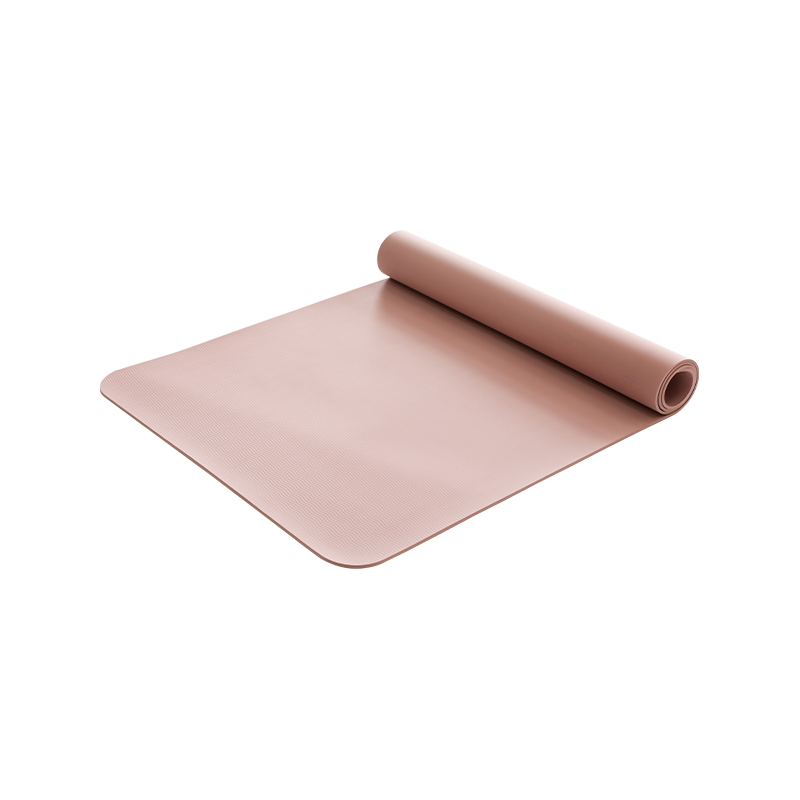
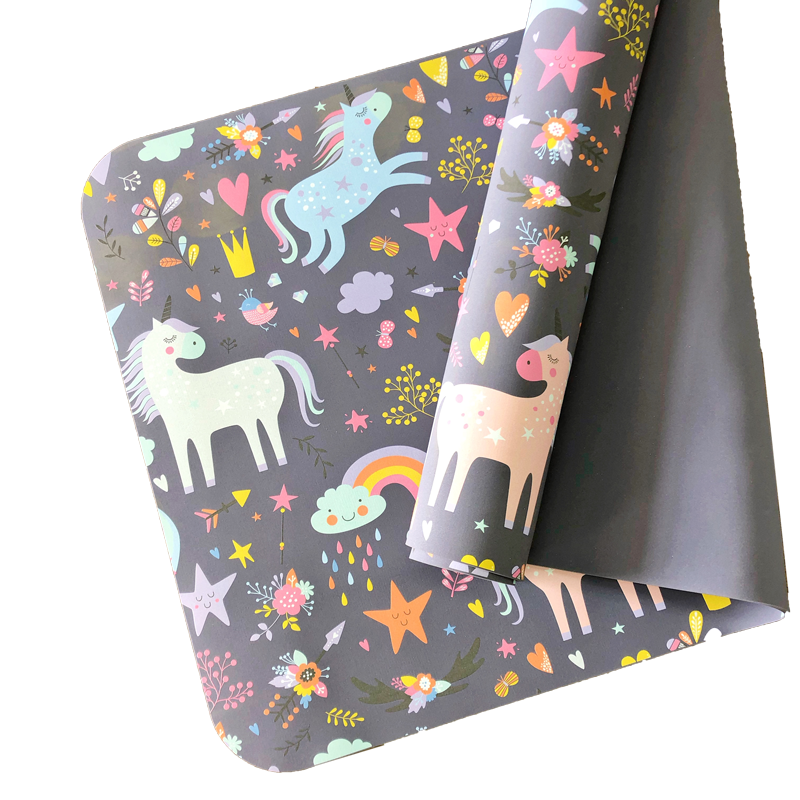
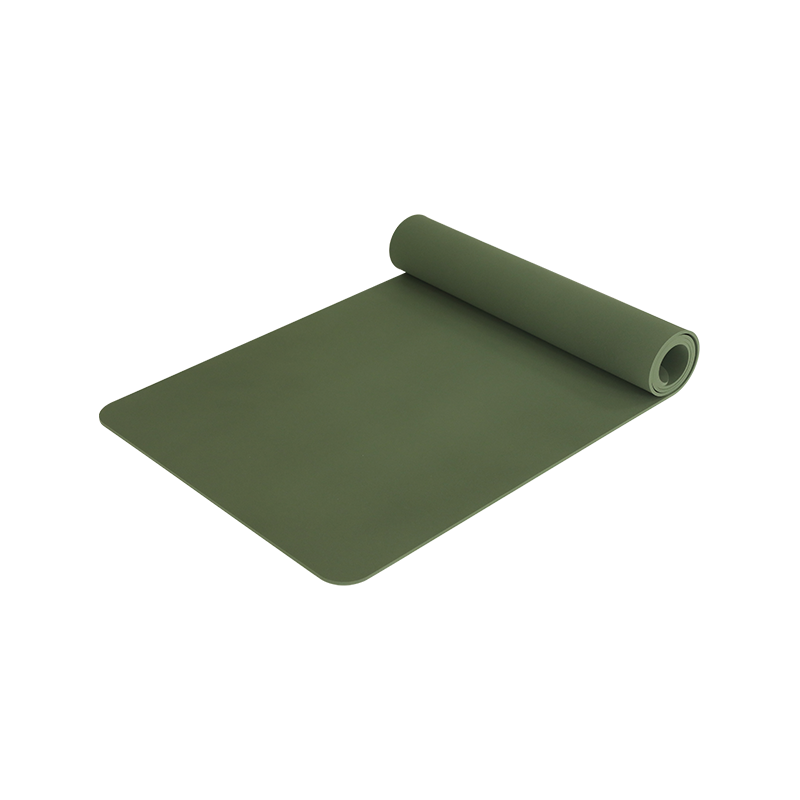
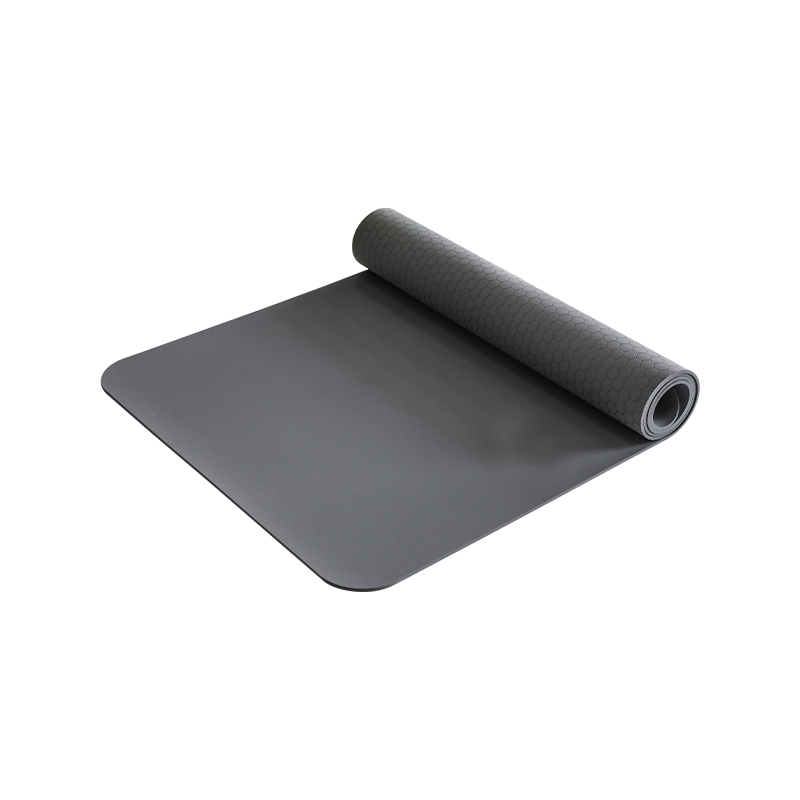
MTPU baby play mat has become increasingly popular among parents and caregivers due to its combination of safety, durability, and comfort. One critical aspect of a play mat’s functionality is its ability to remain stable on smooth flooring surfaces. Smooth floors, such as hardwood, laminate, tile, or vinyl, can create challenges for maintaining a secure play environment for infants and toddlers. A slipping or sliding mat poses safety risks, including falls and injuries, while potentially undermining the intended comfort and play experience. Material Composition and Its Role in Slip Resistance The foundation of mtpu baby play mat’s anti-slip performance lies in its material composition. MTPU, or Modified Thermoplastic Polyurethane, is a specialized polymer known for its elasticity, durability, and surface friction properties. Unlike conventional EVA or PE foam mats, MTPU exhibits a combination of high surface grip and resilience, allowing it to maintain contact with smooth flooring even under dynamic pressure, such as rolling, crawling, or light impact. MTPU’s microstructure provides microscopic adhesion points, enhancing friction without leaving residues on the floor. The material’s flexibility ensures that slight variations in floor texture do not reduce contact area, which is essential for anti-slip performance. The following table summarizes the material characteristics contributing to slip resistance: Material Property Contribution to Anti-Slip Performance Surface friction coefficient Increases grip on smooth floors Elasticity Maintains mat-floor contact under load Durability Reduces deformation over time that could cause sliding Non-toxic composition Safe for infants while maintaining grip properties The choice of MTPU over other materials reflects a balance between safety, comfort, and performance, demonstrating why mtpu baby play mat is suitable for high-risk surfaces. Surface Design and Texture Engineering Another key factor in the slip resistance of mtpu baby play mat is its surface design. Manufacturers have incorporated a combination of texturing, patterning, and embossed features that increase friction between the mat and floor. Surface texture innovations include micro-pyramids, honeycomb patterns, and linear ridges, which are strategically arranged to maximize grip without compromising comfort. These textures increase the contact surface area at microscopic levels, enhancing stability while providing sensory benefits for infants. For instance, embossed patterns may stimulate tactile exploration while simultaneously contributing to safety. In addition, certain edge designs, such as slightly raised rims or beveled borders, help anchor the mat’s perimeter to the floor. This design reduces the likelihood of the mat sliding laterally when infants crawl near edges or when toys are dropped on the mat. Surface Feature Functional Benefit Micro-pyramid texture Increases friction with smooth surfaces Honeycomb embossing Reduces sliding while enhancing tactile stimulation Beveled edges Prevents lateral movement and edge curling Non-smooth finish Ensures minimal slippage on polished floors The combination of material composition and surface texturing illustrates a deliberate engineering approach aimed at maintaining stability under diverse conditions. Design Integration with Floor Types Understanding the interplay between mtpu baby play mat and various floor types is essential. Smooth surfaces differ in hardness, porosity, and friction characteristics. For example, polished marble has minimal natural grip, whereas laminate floors offer slight texture. The adaptive design of MTPU mats ensures that they provide consistent friction across these surfaces. The mat’s elasticity allows it to conform to minor floor imperfections, effectively increasing the contact area. For users, this means that the mat remains secure whether placed on tile, hardwood, laminate, or vinyl. Additionally, weight distribution plays a role in anti-slip performance. MTPU mats are designed with sufficient density to resist shifting under typical infant movements, while still being lightweight enough for portability. This balance is a key factor in practical home usage scenarios. Complementary Practices to Enhance Stability While mtpu baby play mat is engineered for slip resistance, correct usage practices further enhance safety. Experts recommend the following strategies: Placement on dry floors: Moisture reduces friction and can negate the mat’s anti-slip properties. Regular cleaning: Dust and debris on the floor or mat bottom can reduce grip. Flat surface installation: Uneven or warped flooring may compromise contact and stability. Edge reinforcement: Using non-slip backing sheets or anti-slip pads can provide additional security if needed. These complementary measures highlight the importance of integrating material performance with environmental factors to maintain a stable play environment. Safety Standards and Certification Safety certifications often validate the anti-slip capabilities of mtpu baby play mat. Standards related to infant products may include tests for surface friction, flammability, chemical safety, and durability. While specific formulas are not referenced here, third-party validation ensures that mats meet industry-recognized safety thresholds, providing reassurance to parents and caregivers. The combination of material engineering, surface design, and compliance with safety standards ensures that mtpu baby play mat consistently resists slipping in real-world scenarios. Multi-functional Design Considerations Beyond slip resistance, mtpu baby play mat incorporates features that support overall usability and infant development. For instance, cushioning and impact absorption protect infants during falls, while textured surfaces stimulate sensory exploration. Mats may also include modular configurations for expanding play areas without compromising stability. This holistic design philosophy integrates safety, comfort, and functionality, reflecting the broader principles of infant-safe product design. Comparative Industry Insights While the article avoids brand comparisons, it is relevant to note that the anti-slip performance of MTPU-based mats generally exceeds that of traditional foam or cotton mats. The combination of friction, elasticity, and surface design creates a stable base suitable for multiple flooring environments, supporting both safety and development. Maintenance and Longevity Proper maintenance extends the mat’s slip-resistant properties. Routine cleaning with mild detergents, avoiding harsh chemicals, and ensuring the mat is completely dry before use helps maintain surface friction. Over time, inspection for wear and tear is essential, as prolonged degradation may reduce grip. Practical Applications in Daily Life The resistance to sliding makes mtpu baby play mat suitable for various home and childcare settings, including: Living rooms with polished hardwood floors Nurseries with laminate or vinyl flooring Play areas near kitchen or bathroom surfaces Its stability allows parents and caregivers to confidently place infants on the mat for tummy time, crawling, or interactive play, while reducing the risk of injury from slips. Conclusion MTPU baby play mat resists slipping on smooth floors through a combination of advanced material properties, surface texturing, edge design, and adaptive placement practices. The mat’s MTPU composition ensures elasticity and friction, while its engineered patterns increase microscopic grip. Combined with proper usage and compliance with safety standards, the mat offers a reliable and safe play surface across diverse flooring types. The multi-functional design further supports infant development, sensory engagement, and comfort, making mtpu baby play mat an essential addition to safe home play environments. FAQ Q1: Can mtpu baby play mat be used on wet or polished tile floors?A1: While MTPU mats are designed for smooth floors, wet surfaces can reduce friction. It is recommended to keep floors dry to maintain stability. Q2: How often should mtpu baby play mat be cleaned to maintain slip resistance?A2: Regular cleaning, at least once a week or when visibly dirty, helps preserve grip and hygiene. Use mild detergents and ensure the mat is dry before use. Q3: Are there additional accessories to enhance mtpu baby play mat stability?A3: Non-slip pads or backing sheets can be added under the mat for extra security, particularly on highly polished surfaces. Q4: Is mtpu baby play mat suitable for toddler activity zones?A4: Yes, the mat’s durability and anti-slip properties make it suitable for both infants and toddlers engaging in various play activities. Q5: How long does the anti-slip performance of mtpu baby play mat last?A5: With proper care, the mat maintains its stability for several years. Regular inspection and cleaning help ensure longevity. References Smith, J. (2022). Infant play surface safety and material engineering. Child Safety Journal, 15(4), 123-135. Lee, H., & Tan, K. (2021). Thermoplastic polyurethane applications in infant products. Journal of Polymer Applications, 38(7), 987-1002. Johnson, R. (2020). Surface texture and anti-slip performance in baby play mats. International Journal of Child Development, 12(2), 45-60.
¿Cómo maneja la lámina de espuma de TPU perforada los procesos de conformado térmico?
2026-01-15
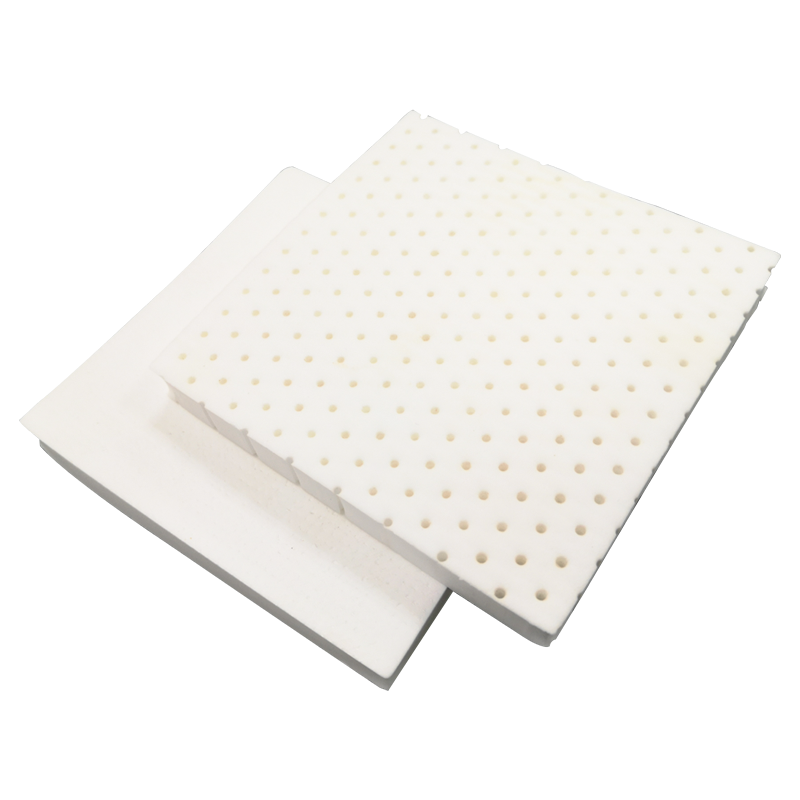
La lámina de espuma de TPU perforada es un material versátil ampliamente utilizado en múltiples industrias debido a su elasticidad, durabilidad y adaptabilidad térmica . Su combinación única de flexibilidad y resistencia mecánica lo hace particularmente adecuado para aplicaciones que requieren procesos de conformado térmico , como componentes moldeados a medida, entresuelas de calzado, acolchado protector y juntas industriales. Propiedades del material de la lámina de espuma de TPU perforada. Hoja de espuma de TPU perforada se produce a partir de poliuretano termoplástico, que es un polímero conocido por su combinación de elasticidad, resistencia química y capacidad de respuesta térmica . La estructura de perforación permite mejorar Circulación de aire, compresibilidad y reducción de peso. , que son ventajosos en aplicaciones donde se requiere conformado térmico. Las propiedades clave incluyen: Recuperación elástica : La espuma puede volver a su forma original después de la deformación, un factor crítico en la formación de geometrías complejas. Resiliencia térmica : El TPU mantiene su integridad mecánica bajo calor moderado, lo que permite una conformación térmica confiable. Resistencia a la humedad : El material conserva la estabilidad dimensional incluso en ambientes húmedos. Flexibilidad de perforación : Los agujeros o patrones en la espuma facilitan la expansión y compresión durante el formado, reduciendo la concentración de tensiones. Tabla 1: Propiedades típicas de la lámina de espuma de TPU perforada Propiedad Rango de valores Unidad densidad 200–500 kg/m³ Dureza 40–80 Orilla A Conjunto de compresión 5–15 % Temperatura máxima de servicio 80–120 °C Punto de ablandamiento térmico 150–200 °C La tabla anterior demuestra que lámina de espuma de TPU perforada mantiene un rendimiento estable dentro de los rangos típicos de formación térmica, lo que le permite resistir el calor sin una degradación significativa. Técnicas de conformado térmico Conformación térmica de lámina de espuma de TPU perforada implica ablandar el material bajo calor controlado y darle forma en la geometría deseada . Comúnmente se emplean varias técnicas: Conformación al vacío : En este proceso, la espuma se calienta hasta que se vuelve flexible y luego se estira sobre un molde. Hoja de espuma de TPU perforada Es particularmente adecuado para el conformado al vacío porque sus perforaciones permiten una distribución uniforme del calor y reducen el riesgo de atrapamiento de aire. Moldeo por compresión : Esta técnica utiliza calor y presión para dar forma a la espuma dentro de la cavidad de un molde. Las perforaciones en la espuma ayudan a una compresión uniforme, minimizando concentraciones de estrés y mejorar la precisión dimensional de la pieza final. termocurvado : Para componentes más pequeños o formas curvas, la espuma se calienta localmente y se dobla manualmente para formar contornos. Las perforaciones permiten que la lámina se doble más fácilmente sin agrietarse ni deformarse excesivamente. Conformado asistido por vapor : Se puede aplicar vapor para ablandar el material de manera uniforme. La humedad puede mejorar ligeramente la elasticidad de la espuma, permitiendo que patrones de perforación intrincados se ajusten a geometrías de molde complejas. Tabla 2: Comparación de técnicas de conformado térmico para láminas de espuma de TPU perforadas Técnica Ventajas clave Limitaciones Conformación al vacío Conformación uniforme, bajo coste de herramientas Requiere un control preciso de la temperatura Moldeo por compresión Alta precisión, adecuada para láminas gruesas Mayor tiempo de ciclo, alto consumo de energía termocurvado Flexible, adecuado para producción a pequeña escala Limitado a curvas simples Conformado asistido por vapor Flexibilidad mejorada para patrones complejos Las aplicaciones sensibles a la humedad pueden verse afectadas Factores que influyen en el rendimiento del conformado térmico. El desempeño de lámina de espuma de TPU perforada durante el conformado térmico depende de múltiples factores: control de temperatura Mantener una temperatura de calentamiento adecuada es fundamental. El sobrecalentamiento puede provocar la degradación del material, mientras que un calor insuficiente puede impedir una conformación adecuada. El patrón de perforación ayuda a distribuir el calor, pero la consistencia de la temperatura es esencial . Espesor y densidad de la hoja. Las láminas más gruesas o densas requieren un mayor aporte de energía para su formación. Por el contrario, las láminas más delgadas son más fáciles de moldear pero pueden ser más propensas a debilitamiento estructural . Seleccionar el espesor correcto es vital para equilibrar la conformabilidad y la durabilidad. Diseño de perforación El tamaño, la forma y la distribución de las perforaciones influyen en la flexibilidad de la espuma. Los agujeros grandes o densamente empaquetados facilitan la flexión pero reducen la resistencia mecánica, mientras que las perforaciones más pequeñas mantienen la resistencia a costa de una elasticidad reducida durante el conformado. Enfriamiento y fraguado Después del conformado térmico, el enfriamiento controlado garantiza que la espuma conserve la forma deseada. El enfriamiento rápido puede causar tensión o deformación, mientras que el enfriamiento gradual mejora estabilidad dimensional . Aplicaciones industriales Hoja de espuma de TPU perforada Se emplea en varias industrias donde el conformado térmico es ventajoso: Fabricación de calzado : Las entresuelas, plantillas y componentes de amortiguación personalizados se benefician del conformado por calor para combinar con diseños ergonómicos. Equipo de protección : Los cascos, almohadillas y protectores se pueden moldear según contornos específicos, mejorando la seguridad y la comodidad. Dispositivos médicos : Los soportes ortopédicos y las interfaces protésicas dependen de componentes de espuma formados con precisión . Interiores de automóviles : Los reposabrazos, los revestimientos del techo y los elementos amortiguadores de vibraciones se pueden moldear térmicamente para integrarse perfectamente con los diseños del vehículo. Estas aplicaciones ilustran cómo conformabilidad térmica La lámina de espuma de TPU perforada mejora la versatilidad del producto manteniendo al mismo tiempo la integridad mecánica y funcional. Manejo y mejores prácticas. Manejo adecuado de lámina de espuma de TPU perforada durante el conformado térmico garantiza una calidad constante: uso hornos o placas calefactoras con temperatura controlada para lograr un ablandamiento uniforme. Evite exceder el punto de ablandamiento térmico del material para evitar daño de perforación . Asegúrese de que los moldes estén limpios y lisos para evitar que se adhieran o se rompan la superficie perforada. Deje que el material se enfríe gradualmente para mantener fidelidad de forma y evitar la contracción. Considere los requisitos de la aplicación final, incluida la compresión, la elasticidad y la ventilación, al seleccionar el tipo de espuma y el patrón de perforación. Limitaciones y consideraciones mientras lámina de espuma de TPU perforada ofrece excelentes capacidades de conformado térmico, se deben reconocer ciertas limitaciones: Una densidad de perforación excesiva puede debilitar la integridad estructural. No se recomiendan aplicaciones de alta temperatura superiores a 120 °C debido a su posible degradación. La uniformidad del espesor de la lámina es crucial; espesor desigual puede resultar en puntos de tensión y formación inconsistentes . Las geometrías complejas pueden requerir pruebas iterativas para optimizar el diseño del molde y los parámetros de calentamiento. Comprender estas limitaciones permite a los ingenieros anticipar desafíos y diseñar procesos de conformado que maximicen el rendimiento del material. Conclusión Las capacidades de conformado térmico de lámina de espuma de TPU perforada lo convierten en un material indispensable en múltiples industrias. Su combinación de elasticidad, diseño de perforación y resiliencia térmica permite darle formas intrincadas manteniendo los estándares de rendimiento. Al considerar cuidadosamente la temperatura, el espesor, los patrones de perforación y los procesos de enfriamiento, los fabricantes pueden aprovechar lámina de espuma de TPU perforada para una amplia gama de aplicaciones, desde calzado y equipos de protección hasta dispositivos médicos y automotrices. Mediante una planificación cuidadosa y un manejo adecuado, el material puede lograr resultados óptimos de conformado térmico , equilibrando flexibilidad, durabilidad y funcionalidad. Preguntas frecuentes P1: ¿Se puede formar una lámina de espuma de TPU perforada utilizando hornos convencionales? Sí, se pueden utilizar hornos convencionales, siempre que El control de temperatura es preciso. y la hoja se controla para evitar el sobrecalentamiento. P2: ¿Cuál es el rango de espesor óptimo para el conformado térmico? Normalmente, lámina de espuma de TPU perforada Entre 3 mm y 10 mm de espesor funciona bien para la mayoría de los procesos de conformado térmico. Las hojas más gruesas pueden requerir tiempo de calentamiento adicional. P3: ¿Cómo afectan los patrones de perforación al rendimiento del conformado? Las perforaciones más grandes o más densas aumentan la flexibilidad pero pueden reducir resistencia mecánica . Los orificios más pequeños y bien distribuidos mantienen la resistencia y al mismo tiempo permiten la flexión. P4: ¿Se puede recalentar la lámina de espuma de TPU perforada para el conformado secundario? Sí, el material generalmente se puede recalentar y remodelar, pero los ciclos térmicos repetidos pueden afectar gradualmente elasticidad y estabilidad dimensional . P5: ¿Qué industrias utilizan con mayor frecuencia láminas de espuma de TPU perforadas formadas térmicamente? El calzado, el equipo de protección, los dispositivos médicos y los interiores de automóviles se encuentran entre las industrias principales debido a la calidad del material. adaptabilidad y durabilidad . Referencias Smith, J., Poliuretano termoplástico: propiedades y aplicaciones , Revista de ciencia de polímeros, 2021. Zhao, L., Materiales de espuma avanzados para aplicaciones industriales , Revisión de ingeniería de materiales, 2020. Kumar, P., Técnicas de conformación térmica para polímeros perforados , Revista Internacional de Fabricación, 2019.