×

Obtenga una cuota gratis

Nombre* Correo electrónico* Empresa* Tu mensaje*

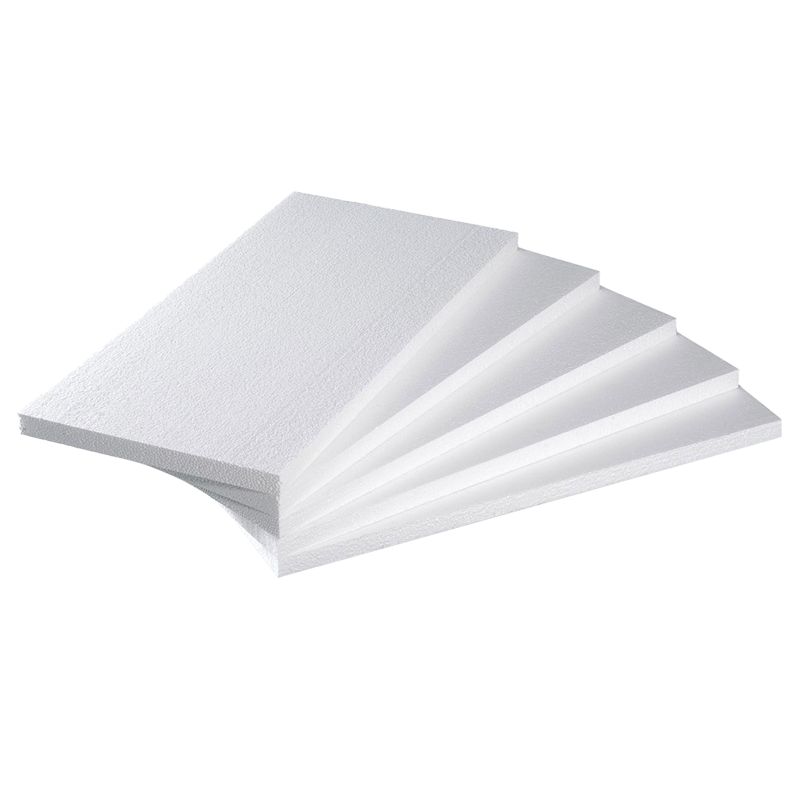
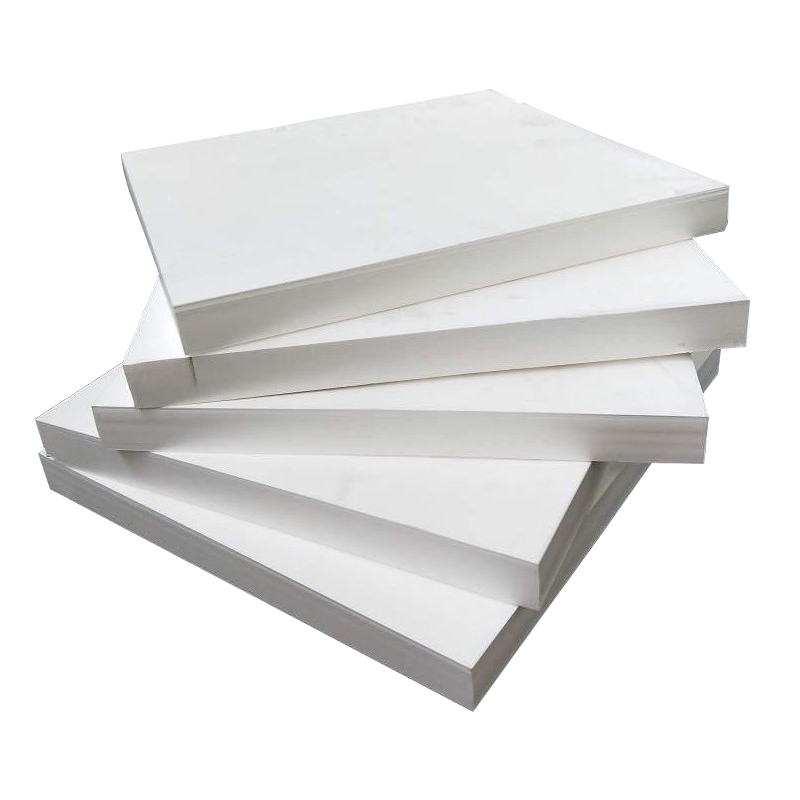
Espuma de losa

Inicio / Producto / Espuma de losa / Hoja de espuma M-ATPU

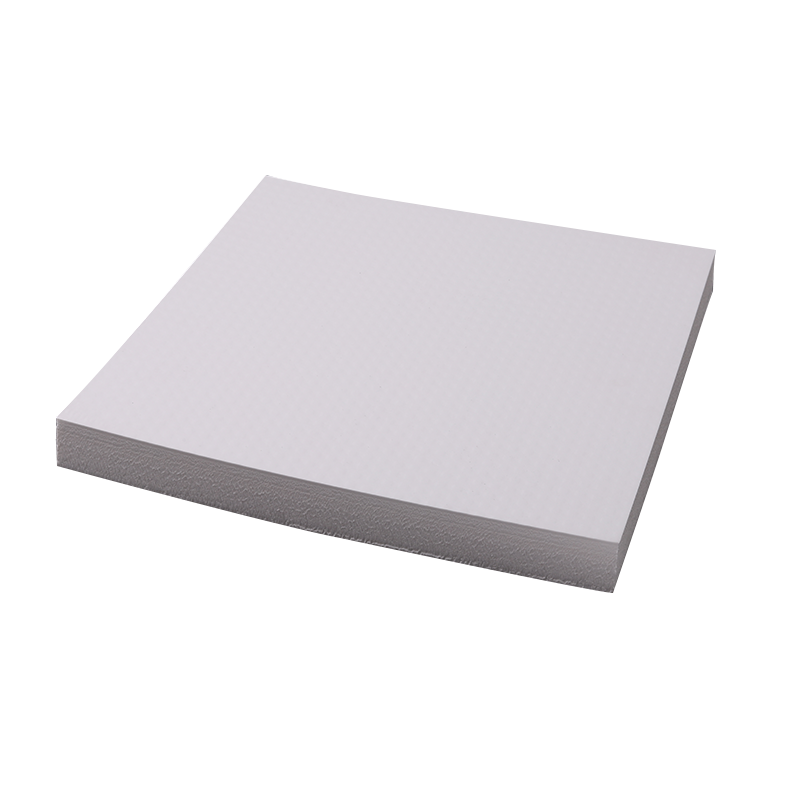
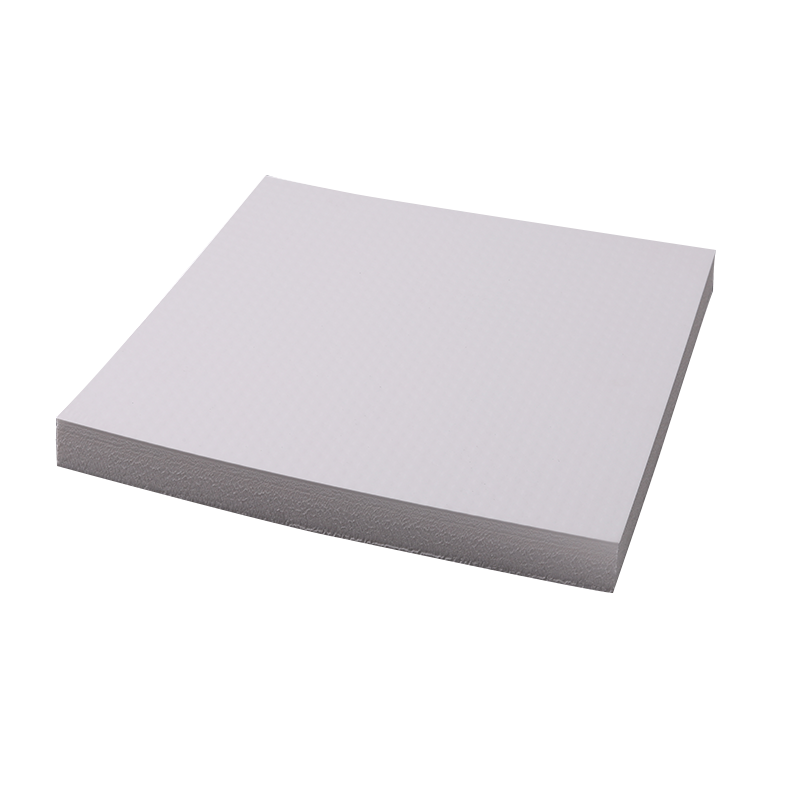
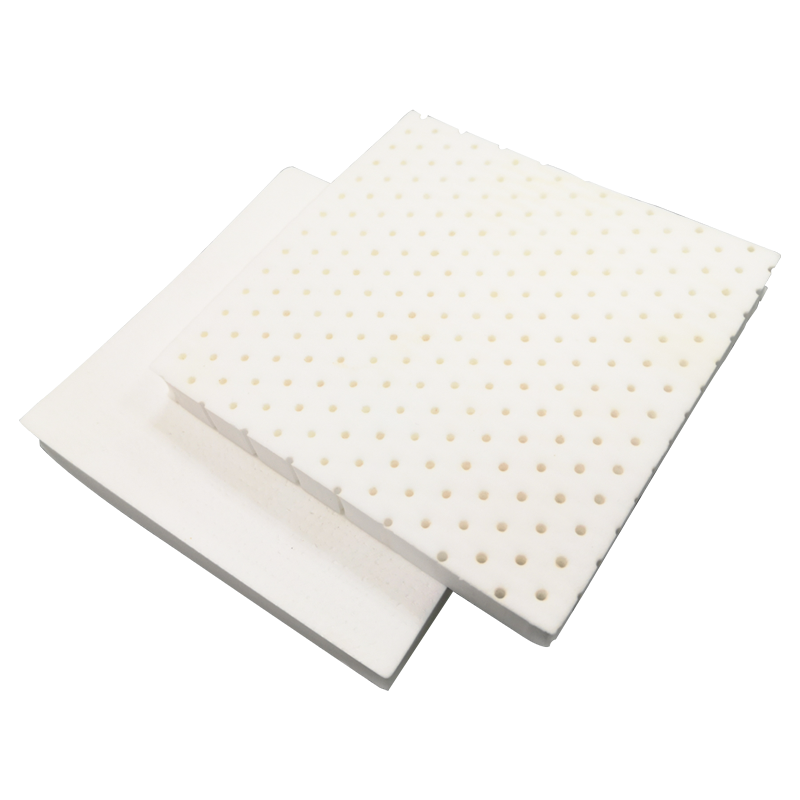
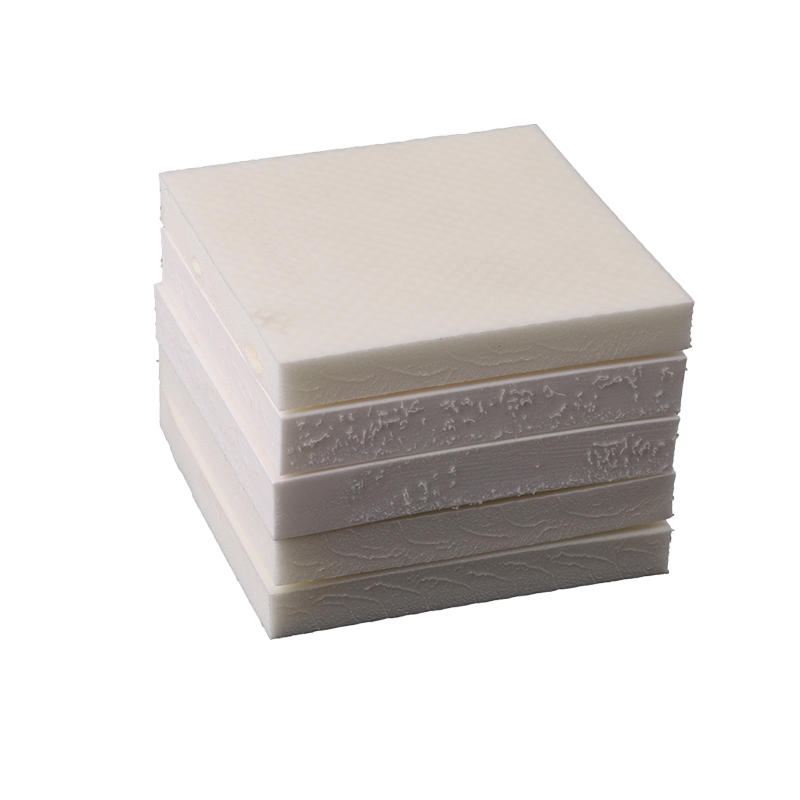
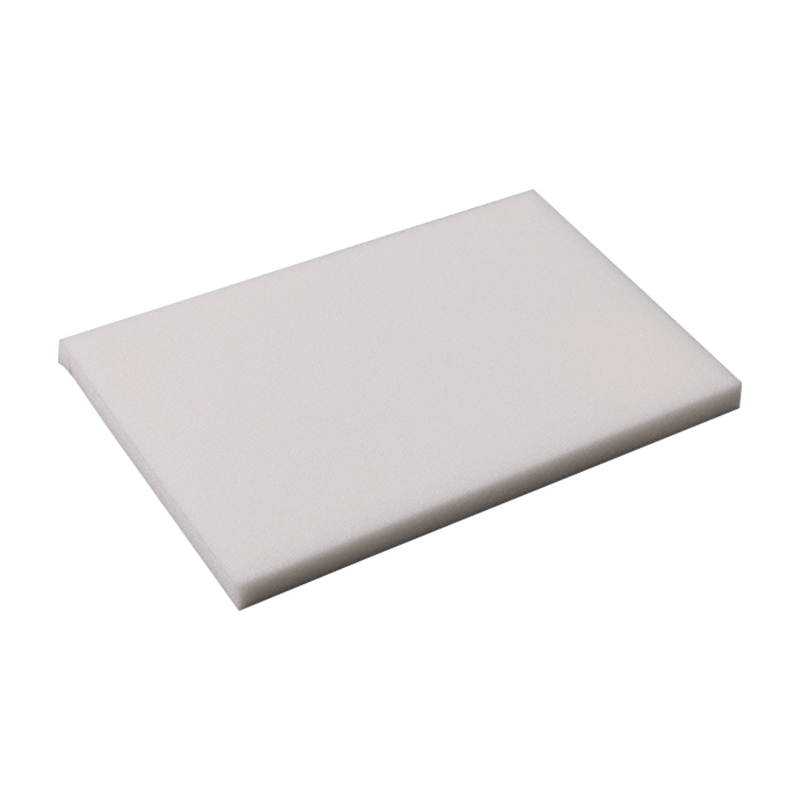
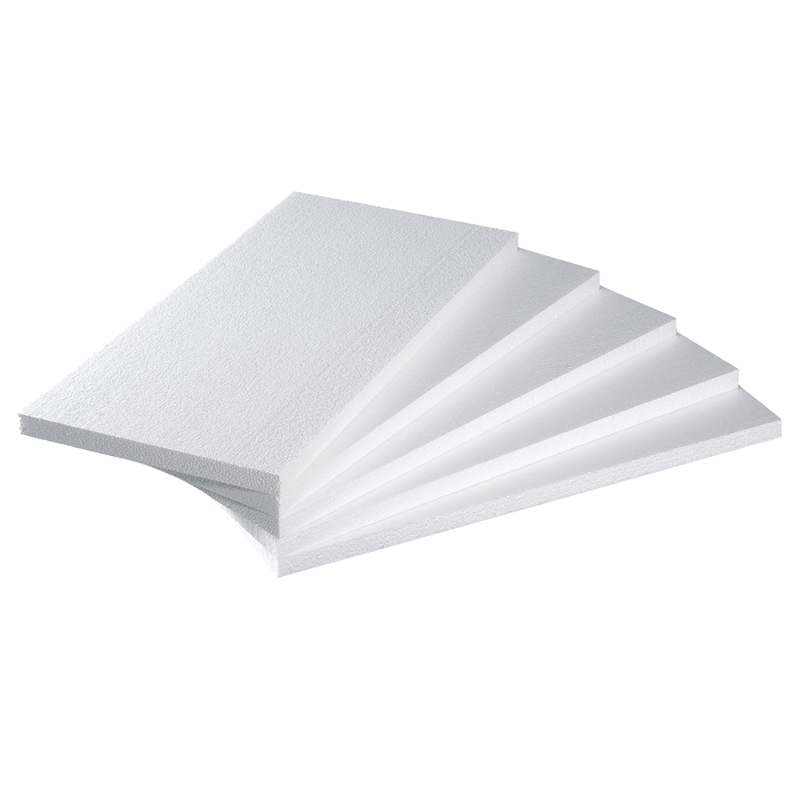
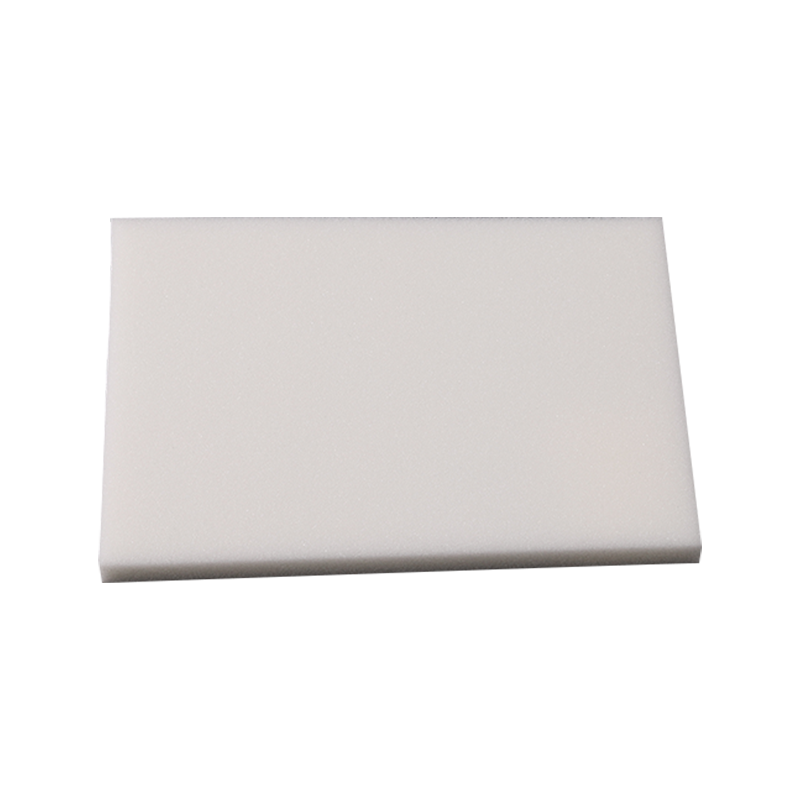
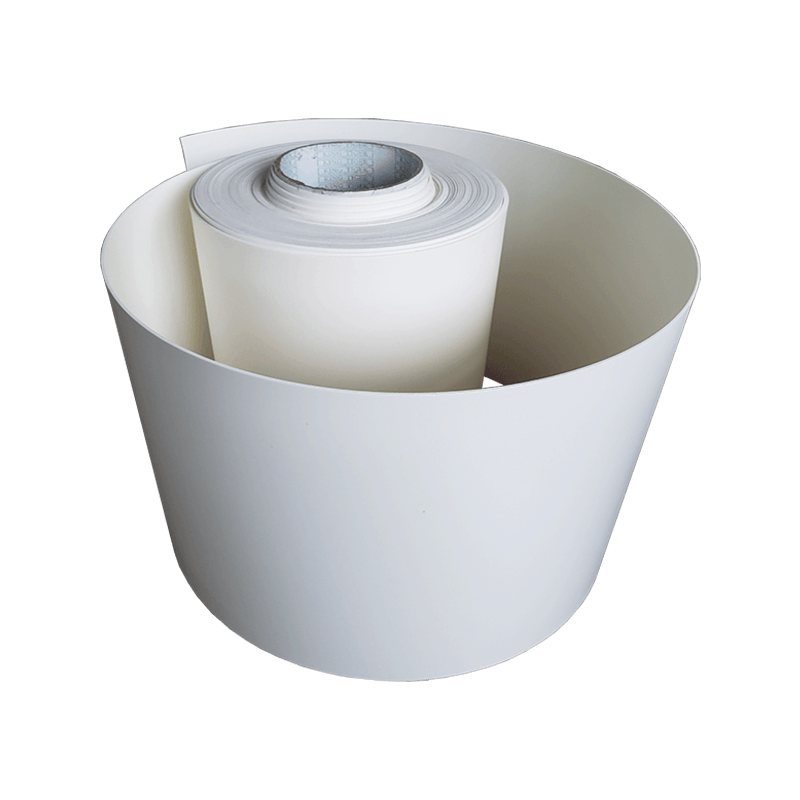
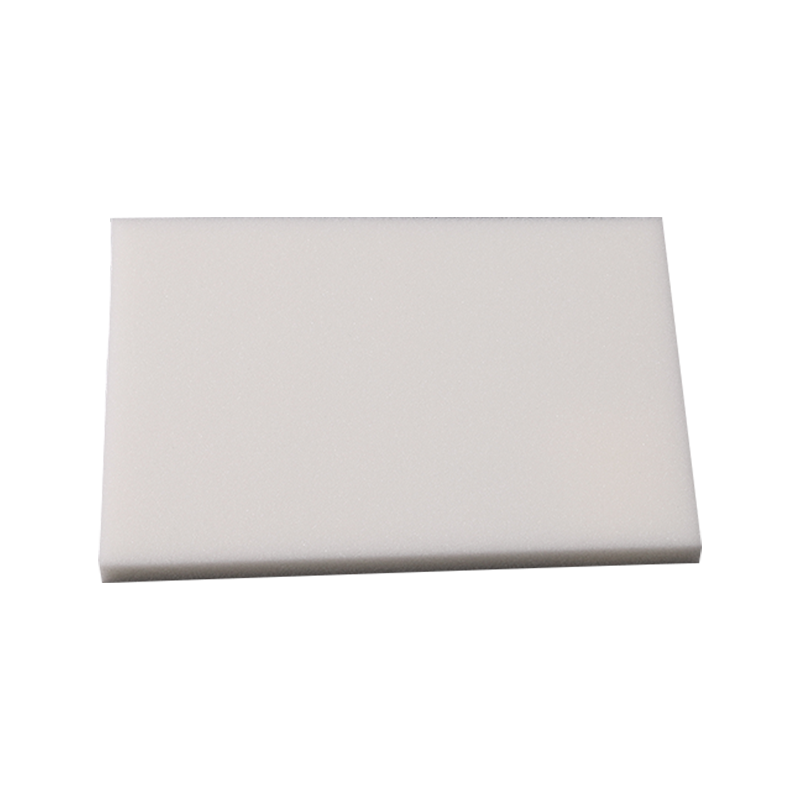
Hoja de espuma M-ATPU

M-ATPU es una espuma de TPU alifática microcelular, producida utilizando TPU como sustrato con dióxido de carbono supercrítico limpio como agente de soplado para formar una gran cantidad de microcélulas en la matriz.
  • descripción

Componente

Elastómero alifático termoplástico ATPU

Característica

Peso súper ligero

Limpio y respetuoso con el medio ambiente

Resiliencia excepcional

Buen rendimiento de amortiguación

Excelente resistencia a bajas temperaturas

Excelente resistencia al amarilleamiento

Reutilizable

Propiedades físicas básicas

Elemento de prueba

Método de prueba

Unidad

05

06

07

09

10

Densidad

ISO 845:2006

gramos/cm³

0,05±0,02

0,06±0,02

0,07±0,02

0,09±0,02

0,10±0,02

Dureza

SATRA™
205-16

Orilla C

24±4

27±4

30±4

37±4

40±4

Tamaño

-

Longitud mm
Ancho mm
mm de espesor

1600-1650
1200-1250
32

1550-1600
1150-1200
30

1450-1500
1100-1150
30

1400-1450
1050-1100
28-30

1350-1400
1000-1050
24-26

Solidez del color

GB250-1995
30 días de sol

-

4-5

Resistencia al calor

75℃-24h
85℃-24h

%

<1
1~3

Apariencia

-

-

SEM

-

-

Resultados de pruebas de propiedades mecánicas.

Elemento de prueba

Método de prueba

Unidad

05

06

07

09

10

Conjunto de compresión

Norma Norma ASTM D395
50℃-6h-30min

%

≤54

≤51

≤47

≤33

≤30

ASTM D395
50℃-6h-24h

%

≤16

≤11

≤11

≤10

≤9

Conjunto de compresión

CAROLINA DEL SUR
25℃-6h-30min

%

≤54

≤50

≤46

≤16

≤11

CAROLINA DEL SUR
25℃-6h-24h

%

≤14

≤14

≤12

≤7

≤3

Resistencia a la tracción

ISO 1798:2008

MPa

2.01

2.29

2.56

3.44

3.49

Alargamiento en rotura

ISO 1798:2008

%

151.23

159.26

181.88

150.22

154.45

10% de presión de compresión

ASTM-D1621-2010

MPa

0.028

0.031

0.046

0.058

0.088

50 % de presión de compresión

ASTM-D1621-2010

MPa

0.126

0.131

0.161

0.197

0.238

Método A: prueba de rotura de pantalones

ISO 8067:2008

N/cm

16.13

17.75

24.03

24.26

24.6

Método B Prueba del ángulo de desgarro

ISO 8067:2008

N/cm

38.80

40.25

46.62

52.16

53.43

Resiliencia

Norma ASTM D3574

%

79.2

79.3

79.5

82.0

79.7

Shincell New Material CO.,LTD.

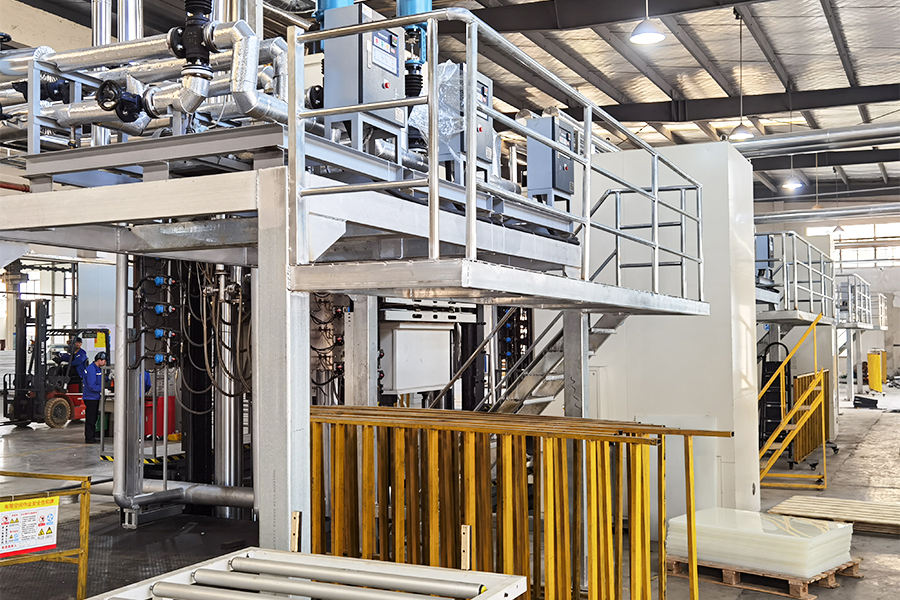
  Shincell es una empresa dedicada al desarrollo de tecnologías sostenibles de formación de espuma y a la fabricación limpia, Materiales de espuma ligeros y respetuosos con el medio ambiente. Y nosotros tambien costumbre china Hoja de espuma M-ATPU proveedor y OEM/ODM Hoja de espuma M-ATPU fábrica. Usamos los gases N2 y CO2 que se encuentran comúnmente en el aire para expandir los plásticos y formar una gran cantidad de micro y nano burbujas en su interior, un proceso de formación de espuma puramente físico.
  Shincell fue fundada por el Dr. Xiulei Jiang. Comenzó su investigación sobre tecnología de formación de espuma con fluido supercrítico en la Universidad de Ciencia y Tecnología de China Oriental en 2003 y propuso el proceso técnico de formación de espuma microcelular moldeada supercrítica. Su interés inicial radica en los materiales de espuma livianos y de alta resistencia, y su principal producto son las láminas de espuma microcelular de PP. Inspirándose en la entresuela adidas boost derivada de la espuma de perlas de TPU, comenzó a estudiar la tecnología de espuma en láminas del material de elastómero de TPU en 2015. Sobre la base de estos años de investigación básica, Shincell ha formado dos series de productos: materiales livianos suaves de alta elasticidad y materiales livianos duros de alta resistencia. Los productos blandos de alta elasticidad incluyen TPU, TPEE y PEBA, PEBAX, etc., y los productos duros de alta resistencia incluyen PP, PVDF, PPO, PA, etc.
 Nos centramos en la investigación y el desarrollo de la tecnología de formación de espuma, optimizaremos continuamente el proceso, desafiaremos nuestro pasado, mejoraremos la eficiencia y reduciremos los costos, y lanzaremos continuamente nuevos productos. Nuestros materiales de espuma son todos termoplásticos y no se agregan agentes de expansión químicos en el proceso de formación de espuma, ni se reticulan químicamente. Podemos proporcionar a nuestros clientes en línea costumbre Hoja de espuma M-ATPU productos a precios preferenciales de fábrica al por mayor. Y en comparación con los materiales de espuma tradicionales, nuestros materiales de espuma son reciclables, no tóxicos y respetuosos con el medio ambiente, ¡y satisfacen las necesidades del desarrollo sostenible!
SHINCELL

¿Busca un proveedor confiable en el campo de las láminas de espuma?

Contáctenos

Si lo necesita, por favor contáctenos!

Fuying revisará su información una vez que la reciba y se comunicará con usted para brindarle la oportunidad con más detalle.

  • *Nombre.

  • *Correo electrónico.

  • *Teléfono.

  • *Mensaje.

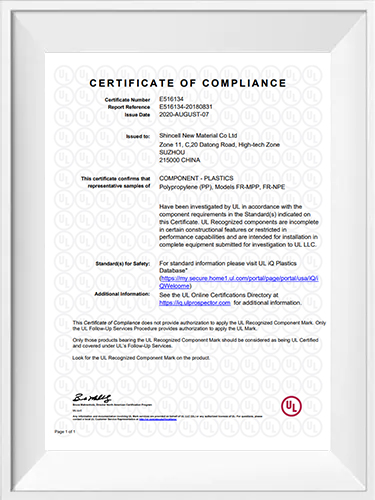
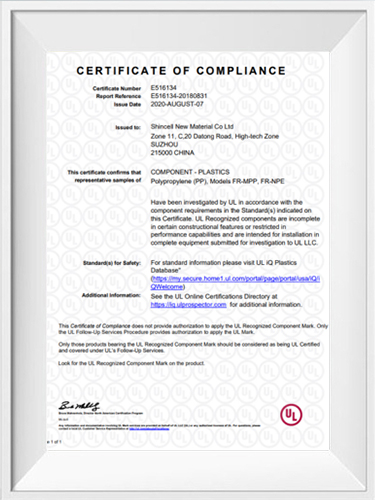
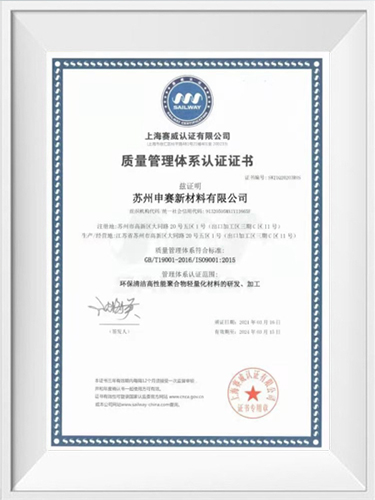
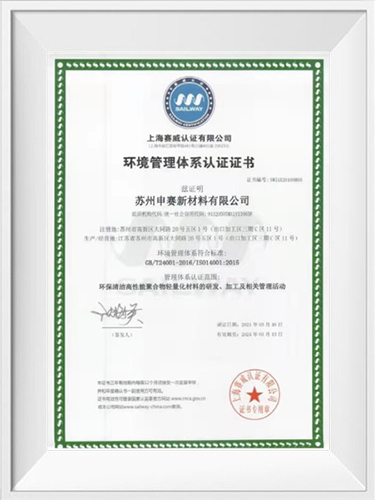
Nuestra Certificación

ÚLTIMAS NOTICIAS
What are the primary benefits of using PEBAX foam in midsole technology?
2026-04-09
The Evolution of High-Performance Midsole Materials The footwear industry has undergone a massive transformation in the last decade, moving from traditional heavy rubbers to sophisticated thermoplastic elastomers. At the heart of this revolution is Polyether Block Amide, commonly referred to as PEBAX. For B2B buyers and manufacturers, selecting the right material is no longer just about cost; it is about the performance-to-weight ratio and the longevity of the product under extreme stress. Using an M-PEBAX Foam Sheet allows developers to create midsoles that were previously thought impossible. These materials bridge the gap between rigid structural integrity and cloud-like softness, making them the gold standard for marathon running shoes, elite basketball footwear, and technical trekking boots. In the professional sports equipment supply chain, this material is recognized for its ability to maintain mechanical integrity where others fail. Superior Energy Return and Mechanical Efficiency The most significant benefit of PEBAX foam is its exceptional energy return. While standard EVA (Ethylene Vinyl Acetate) foams typically offer an energy return of 50% to 60%, high-grade PEBAX variants can achieve over 80% energy return. This means that for every strike a runner makes, less energy is lost as heat, and more is returned as kinetic force. Understanding Hysteresis Loss Hysteresis refers to the energy dissipated when a material is deformed and then returns to its original shape. PEBAX foam has a very low hysteresis curve. This efficiency ensures that the midsole does not feel "mushy" but instead provides a responsive, bouncy sensation that helps reduce athlete fatigue over long distances. Efficiency: Transfers power directly from the foot strike to the toe-off phase. Consistency: Maintains the same level of responsiveness throughout a 42km race. Performance: Proven to improve running economy by up to 4% in elite testing environments. Unmatched Lightweight Properties for Industrial Design For footwear manufacturers, weight is the ultimate enemy. A lighter shoe reduces the aerobic demand on the wearer. PEBAX foam is significantly lighter than TPU (Thermoplastic Polyurethane) and EVA foams of similar thickness, which allows for larger stack heights without the weight penalty. Material Type Typical Density (g/cm³) Weight Impact Standard EVA 0.15 - 0.25 Standard Premium TPU 0.20 - 0.30 Heavy PEBAX Foam 0.07 - 0.12 Ultra-Light By utilizing a lower density material, designers can increase the stack height of the midsole to provide more cushioning without making the shoe cumbersome. This is a critical factor for B2B distributors focusing on the maximalist shoe trend in international markets. Temperature Resistance and Thermal Stability One of the hidden flaws of traditional midsole materials is their sensitivity to climate. EVA foam tends to harden in cold weather and become overly soft and unstable in extreme heat. PEBAX foam maintains its mechanical properties across a wide temperature range, from -20°C to over 40°C. Why Temperature Stability Matters for Global Supply Chains From a B2B perspective, this stability ensures that the product quality remains consistent regardless of the shipping destination or storage conditions. Whether the end-user is running in a winter tundra or a desert marathon, the compression set and rebound remain predictable, reducing customer returns and performance complaints. Durability and Long-term Compression Resistance "Bottoming out" is a common complaint in the footwear industry, where the foam lose its ability to bounce back after a few hundred kilometers. PEBAX is inherently more resilient. Its molecular structure allows it to withstand millions of flex cycles without significant structural degradation. Longer Lifespan: Extends the effective mileage of a shoe from 500km to over 800km. Shape Retention: Does not take a permanent "set" even under high body weight or intensive pressure. Tear Resistance: Highly resistant to the nicks and abrasions common in trail running environments. Customization for Diverse Footwear Applications PEBAX foam can be tuned during the manufacturing process to reach different Shore hardness levels. This versatility makes it suitable for various components of a shoe, not just the primary midsole. Manufacturers can request specific M-PEBAX Foam Sheet densities to match their design specifications. Common Industry Applications Race Day Flats: Maximizing energy return for high-speed performance. Orthopedic Inserts: Providing firm but lightweight support for medical-grade comfort. Safety Footwear: Incorporating shock absorption in heavy-duty work boots. Ski Boot Liners: Utilizing its thermal insulation and flexibility at low temperatures. The Sustainability Aspect of PEBAX Materials Modern B2B buyers are increasingly focused on environmental impact. Many PEBAX formulations are derived from castor beans, a non-food crop that does not compete with land used for food production. This bio-based origin reduces the carbon footprint compared to purely petroleum-based foams, allowing brands to market greener high-performance products without sacrificing quality. Summary for Manufacturers and Sourcing Managers In conclusion, integrating PEBAX technology into your product line is a strategic investment in quality. Its ability to combine extreme lightness with maximum durability and energy return provides a competitive edge in the global footwear market. For sourcing teams, prioritizing materials like the M-PEBAX foam sheet ensures that the final product meets the rigorous demands of today’s athletes and consumers. Frequently Asked Questions Q1: How does PEBAX foam compare to standard EVA in terms of durability? PEBAX is significantly more durable, maintaining its energy return and shape for nearly double the mileage of standard EVA foams. Q2: Is the M-PEBAX Foam Sheet suitable for cold weather sports? Absolutely. One of its primary advantages is maintaining flexibility and shock absorption at temperatures as low as -20°C. Q3: Why is energy return important for athletic footwear? High energy return reduces the amount of metabolic energy an athlete must expend, directly contributing to improved speed and reduced muscle fatigue. Q4: Can PEBAX be combined with other materials like carbon plates? Yes, it is frequently used in "super shoe" designs where it acts as the cushioning layer surrounding a rigid carbon fiber plate. section { font-family: Arial, sans-serif; color: #333; } h2 { color: #002c5f; margin-bottom: 15px; } h3 { color: #0056b3; margin-bottom: 15px; } p { line-height: 1.6; margin-bottom: 20px; } ul, ol { margin-bottom: 20px; padding-left: 20px; } li { margin-bottom: 5px; line-height: 1.6; } table td { border: 1px solid #ddd; padding: 12px; } h4 { color: #002c5f; margin-top: 20px; margin-bottom: 10px; }
M-PEBAX Foam Sheet vs Standard PEBAX: Key Differences & Applications
2026-04-03
Understanding M-PEBAX Foam Technology M-PEBAX foam sheet represents a significant advancement in high-performance polymer foam materials. This innovative material is created through supercritical fluid foaming technology, which transforms standard PEBAX (polyether block amide) into a microcellular foam structure with exceptional mechanical properties. Unlike conventional foam manufacturing methods that rely on chemical blowing agents, M-PEBAX utilizes nitrogen or carbon dioxide in a supercritical state to create uniform microcellular structures. The resulting material exhibits densities as low as 0.08-0.12 g/cm³, representing a substantial weight reduction compared to solid PEBAX while maintaining excellent structural integrity. This microcellular structure consists of billions of tiny bubbles uniformly distributed throughout the polymer matrix, creating a material that is both lightweight and highly resilient. Key Differences Between M-PEBAX Foam and Standard PEBAX Manufacturing Process Distinctions Standard PEBAX is produced as a solid thermoplastic elastomer through conventional polymerization and extrusion processes. In contrast, M-PEBAX foam undergoes supercritical fluid foaming, where the polymer is saturated with supercritical CO₂ or N₂ at pressures exceeding 300 bar and temperatures between 80-100°C. Upon rapid depressurization, the dissolved gas expands within the polymer, creating a cellular structure with cell densities reaching 10⁶-10⁸ cells/cm³ and cell diameters of approximately 50-150 micrometers. Physical Property Variations The transformation from solid to foam structure dramatically alters material characteristics. Standard PEBAX typically exhibits densities of 1.00-1.03 g/cm³, while M-PEBAX foam achieves densities below 0.1 g/cm³—representing a weight reduction of up to 90%. Despite this significant density decrease, M-PEBAX foam maintains remarkable mechanical performance, with energy return rates exceeding 80-85% compared to 70-75% for solid PEBAX in equivalent hardness grades. Structural Integrity and Performance While standard PEBAX offers consistent solid-state properties suitable for structural components, M-PEBAX foam provides unique advantages in cushioning and impact absorption applications. The microcellular structure enables superior compression recovery, with compression set values below 10% compared to 15-20% for chemically foamed alternatives. This characteristic ensures long-term performance stability even after thousands of compression cycles. Performance Characteristics Comparison Property M-PEBAX Foam Standard PEBAX Density (g/cm³) 0.08-0.12 1.00-1.03 Energy Return (%) 80-85 70-75 Compression Set (%) <10 15-20 Weight Reduction (%) Up to 90 N/A Cell Density (cells/cm³) 10⁶-10⁸ Solid structure The data demonstrates that M-PEBAX foam not only achieves significant weight savings but also delivers superior elastic performance. The energy return rate of 80-85% translates to enhanced propulsion efficiency in athletic applications, reducing muscular fatigue during high-intensity activities. Environmental and Processing Advantages Clean Manufacturing Process M-PEBAX foam production utilizes supercritical fluid foaming technology that eliminates chemical blowing agents, cross-linking agents, and other additives traditionally required in foam manufacturing. This purely physical process uses only nitrogen and carbon dioxide—gases naturally present in the atmosphere—resulting in materials that are odorless, non-toxic, and free from harmful residues such as formamide. The absence of chemical cross-linking means M-PEBAX foam remains thermoplastic and fully recyclable, supporting circular economy initiatives. Sustainability Benefits Standard PEBAX grades already incorporate up to 55% renewable content derived from castor oil, a non-food plant-based resource. When processed into M-PEBAX foam through physical foaming, the environmental advantages compound: the production process generates up to 40% fewer CO₂ emissions compared to traditional chemical foaming methods. Additionally, the extended product lifespan enabled by superior compression set resistance reduces replacement frequency and associated waste. Primary Application Areas High-Performance Athletic Footwear M-PEBAX foam has become the material of choice for premium running shoe midsoles, particularly in racing and super shoes. The combination of ultra-low density and high energy return enables athletes to experience improved running economy by 4-6% compared to traditional EVA midsoles. The material's consistent performance across temperature ranges from -40°C to +80°C ensures reliability in diverse environmental conditions. Industrial and Transportation Applications Beyond footwear, M-PEBAX foam serves critical functions in automotive, aerospace, and rail transportation sectors. Its application in sealing components, vibration dampeners, and lightweight structural elements contributes to overall vehicle weight reduction and improved fuel efficiency. The material's resistance to oils, solvents, and extreme temperatures makes it suitable for under-hood applications and exterior components exposed to harsh environmental conditions. Medical and Protective Equipment The biocompatibility and sterilization resistance inherent in PEBAX polymers are preserved in the foam structure, making M-PEBAX suitable for medical cushioning applications, prosthetic components, and ergonomic supports. In protective gear, the material's impact absorption capabilities combined with low weight provide enhanced protection without compromising comfort or mobility. Selection Guidelines for Engineers and Designers When choosing between M-PEBAX foam and standard PEBAX, consider the following decision factors: Select M-PEBAX foam when weight reduction, cushioning, and energy return are primary requirements Choose standard PEBAX for structural load-bearing components requiring maximum rigidity and dimensional stability Consider M-PEBAX foam for applications requiring thermal insulation or acoustic dampening properties Specify standard PEBAX for medical devices requiring precise durometer specifications and sterilization compatibility Hardness selection remains critical across both material forms. M-PEBAX foam is available in various hardness levels corresponding to standard PEBAX grades, from soft formulations suitable for insoles to firmer variants appropriate for midsole support structures. The hardness range typically spans from 33 Shore A to 72 Shore D, enabling precise tuning of mechanical properties for specific functional requirements. Frequently Asked Questions Q1: What makes M-PEBAX foam different from chemically foamed PEBAX materials? M-PEBAX foam utilizes supercritical fluid foaming with nitrogen or CO₂, producing uniform microcellular structures without chemical additives. Chemically foamed alternatives use organic blowing agents that may leave residues and create less consistent cell structures. The physical foaming process achieves higher cell densities and more uniform morphology, resulting in superior mechanical performance and environmental compatibility. Q2: Can M-PEBAX foam be recycled at end-of-life? Yes, M-PEBAX foam is fully recyclable. Because the supercritical foaming process does not use chemical cross-linking agents, the material retains thermoplastic properties and can be melted and reprocessed multiple times without significant degradation of mechanical properties. This characteristic supports circular economy models and reduces landfill waste compared to cross-linked foam alternatives. Q3: What is the typical lifespan of M-PEBAX foam products compared to standard PEBAX? M-PEBAX foam demonstrates exceptional durability with compression set values below 10%, meaning it retains over 90% of its original thickness after prolonged compression cycling. This performance often exceeds that of solid PEBAX in cushioning applications because the cellular structure distributes stress more effectively. Products manufactured from M-PEBAX foam typically maintain performance characteristics for extended periods, reducing replacement frequency. Q4: Is M-PEBAX foam suitable for extreme temperature applications? M-PEBAX foam maintains performance across a broad temperature range from -40°C to +80°C, with some grades stable up to 150°C depending on the base polymer formulation. The material retains flexibility at low temperatures where conventional foams become brittle, and it demonstrates thermal stability at elevated temperatures that would degrade many alternative cushioning materials. Q5: How does the cost of M-PEBAX foam compare to standard PEBAX? While M-PEBAX foam commands a premium over commodity foams like EVA, the cost differential compared to standard PEBAX is offset by material efficiency—less polymer is required to achieve equivalent volumes due to the expanded structure. When factoring in extended product lifespan, reduced replacement frequency, and performance advantages, M-PEBAX foam often delivers superior value in high-performance applications despite higher initial material costs. section { font-family: 'Segoe UI', Tahoma, Geneva, Verdana, sans-serif; color: #333; line-height: 1.6; } h2 { color: #264653; border-bottom: 2px solid #2a9d8f; padding-bottom: 8px; } h3 { color: #2a9d8f; margin-top: 25px; } h4 { color: #264653; margin-top: 20px; } strong { color: #e76f51; } a:hover { text-decoration: underline !important; } table tr:nth-child(even) { background-color: #f8f9fa; } table tr:hover { background-color: #e9f5f3; }
F-POSS nanofillers modified PVDF foam with excellent mechanical and thermal insulation properties
2026-03-24
F-POSS (fluorinated polyhedral oligomeric silsesquioxane) nanofillers significantly improve PVDF foam sheet performance — delivering enhanced compressive strength, lower thermal conductivity, and superior flame retardancy compared to unmodified PVDF foams. This makes F-POSS/PVDF composite foams a compelling choice for aerospace, electronics, and construction insulation applications. What Are F-POSS Nanofillers and Why Do They Matter in PVDF Foam? F-POSS nanofillers are cage-like organosilicon molecules with a silica core and fluorinated organic groups on the surface. Their nanoscale size (typically 1–3 nm) and high surface area allow uniform dispersion within a PVDF polymer matrix, even at low loading levels. When incorporated into PVDF foam, F-POSS achieves several key effects: Acts as a nucleating agent to regulate cell structure during foaming Forms covalent and physical interactions with the PVDF chain to reinforce the matrix Introduces fluorine-rich surface chemistry that improves thermal and chemical stability Reduces heat transfer by disrupting phonon transmission pathways Even at loading levels as low as 1–5 wt%, F-POSS nanofillers produce measurable improvements across multiple foam properties. Mechanical Property Improvements in F-POSS Modified PVDF Foam Mechanical performance is one of the most critical evaluation criteria for structural foam materials. F-POSS modification addresses the inherent brittleness and low load-bearing limitations of standard PVDF foam through microstructural reinforcement. Compressive Strength and Modulus Studies have demonstrated that adding 3 wt% F-POSS to PVDF foam can increase compressive strength by approximately 40–60% relative to neat PVDF foam. This is attributed to: Finer, more uniform closed-cell structures (average cell diameter reduced from ~180 µm to ~90 µm) Higher cell wall integrity due to nanofiller reinforcement Improved crystallinity of the PVDF matrix promoted by F-POSS nucleation Tensile Strength and Elongation The tensile strength of modified foams also improves notably. At optimal F-POSS content, tensile strength increases by up to 35%, while maintaining acceptable elongation at break — ensuring the material does not become excessively brittle under deformation. Cell Morphology and Its Role in Mechanical Behavior F-POSS acts as a heterogeneous nucleating agent during the foaming process, promoting the formation of smaller, denser, and more homogeneous cells. This refined cellular architecture distributes mechanical stress more evenly across the foam structure, directly contributing to the improved load-bearing performance. Property Neat PVDF Foam F-POSS Modified PVDF Foam (3 wt%) Average Cell Diameter ~180 µm ~90 µm Compressive Strength Baseline +40–60% Tensile Strength Baseline +~35% Cell Uniformity Moderate High Thermal Insulation Performance: How F-POSS Lowers Thermal Conductivity Thermal insulation efficiency is measured primarily by thermal conductivity (λ). Lower values indicate better insulation. F-POSS nanofillers contribute to reduced thermal conductivity in PVDF foam through multiple mechanisms: Phonon Scattering Enhancement The nanoscale F-POSS particles create interfaces that scatter phonons — the primary heat carriers in polymer solids. This phonon scattering effect reduces solid-phase heat conduction through the cell walls. Optimized Closed-Cell Structure A finer, more closed-cell foam architecture traps more stationary air within cells. Since stationary air has a thermal conductivity of approximately 0.026 W/(m·K), maximizing enclosed air volume directly reduces overall foam conductivity. Measured Thermal Conductivity Values F-POSS modified PVDF foams typically achieve thermal conductivity values in the range of 0.032–0.038 W/(m·K), representing a reduction of 15–25% compared to unmodified PVDF foams. This places modified PVDF foam in a competitive range with expanded polystyrene (EPS) and polyurethane (PU) foams, while offering superior chemical resistance. Flame Retardancy and Thermal Stability PVDF is inherently one of the more flame-resistant thermoplastics due to its high fluorine content. F-POSS modification further enhances this advantage. Limiting Oxygen Index (LOI) The LOI of F-POSS/PVDF foam can reach above 40%, compared to approximately 32–36% for standard PVDF foam. Values above 21% indicate self-extinguishing behavior in air; values above 35% represent excellent flame resistance. Char Formation and Barrier Effect During combustion, F-POSS participates in char formation, creating a protective silica-rich layer on the foam surface. This char layer acts as a physical barrier that slows heat and mass transfer to the underlying polymer, suppressing flame spread and reducing peak heat release rate (PHRR). Thermal Decomposition Temperature Thermogravimetric analysis (TGA) data shows that F-POSS addition can raise the onset decomposition temperature of PVDF foam by 15–25°C, extending the usable temperature range and improving long-term thermal stability in elevated-temperature environments. Key Application Scenarios for F-POSS Modified PVDF Foam Sheets The combined improvements in mechanical strength, thermal insulation, and flame retardancy make F-POSS/PVDF foam sheets well-suited for demanding applications: Aerospace and aviation: Lightweight structural insulation panels requiring both load-bearing capacity and fire resistance Electronics enclosures: Thermal management substrates where dimensional stability and low thermal conductivity are critical Building and construction: Facade insulation systems needing flame retardancy compliance and long-term mechanical durability Chemical processing equipment: Insulation layers in environments with chemical exposure, where PVDF's resistance to acids and solvents is advantageous Marine and offshore: Structural foam panels requiring resistance to saltwater, UV, and fire Optimization Considerations: F-POSS Loading Level and Processing Achieving peak performance in F-POSS/PVDF foam requires careful attention to formulation and processing parameters. Optimal Nanofiller Loading Performance improvements are not linear with increasing F-POSS content. Research indicates that 2–4 wt% F-POSS represents the optimal range. Above this threshold, agglomeration of nanoparticles begins to occur, leading to: Non-uniform cell structures with larger defect cells Reduced mechanical properties due to stress concentration at agglomerates Diminishing returns in thermal insulation improvement Foaming Process Conditions The foaming method — whether supercritical CO₂ foaming, chemical foaming, or physical extrusion foaming — affects how F-POSS disperses within the matrix. Supercritical CO₂ foaming at controlled pressure and temperature is commonly preferred as it produces finer, more homogeneous cell structures with F-POSS acting effectively as a nucleation promoter. Surface Treatment of F-POSS The fluorinated organic groups on F-POSS surfaces provide natural compatibility with the PVDF matrix, reducing the need for additional surface compatibilizers. This simplifies the processing workflow compared to other inorganic nanofillers that require surface modification before use. Comparison of Key Properties: Neat PVDF Foam vs. F-POSS Modified PVDF Foam Performance Attribute Neat PVDF Foam F-POSS/PVDF Foam Improvement Thermal Conductivity ~0.045–0.050 W/(m·K) ~0.032–0.038 W/(m·K) 15–25% reduction Compressive Strength Baseline +40–60% Significant gain LOI (Flame Resistance) 32–36% >40% Notable increase Decomposition Onset Temp. Baseline +15–25°C Extended range Average Cell Diameter ~150–200 µm ~80–100 µm Finer structure FAQ Q1: What is the recommended F-POSS loading level for best overall performance in PVDF foam? A loading of 2–4 wt% is generally optimal. Below this range, improvements are limited; above it, nanoparticle agglomeration reduces performance gains. Q2: Does F-POSS modification affect the density of PVDF foam sheets? F-POSS can slightly increase foam density due to its own density and its effect on cell nucleation, but the overall density change is typically minor — usually within 5–10% of neat PVDF foam density at recommended loading levels. Q3: Is F-POSS/PVDF foam suitable for outdoor or UV-exposed environments? PVDF itself has excellent UV resistance. F-POSS modification maintains this property, making the composite foam suitable for outdoor and UV-exposed applications without significant degradation. Q4: Can F-POSS modified PVDF foam sheets be thermoformed or post-processed? Yes. Standard thermoforming and cutting processes applicable to neat PVDF foam remain compatible with F-POSS modified versions, as the nanofiller does not fundamentally alter the thermoplastic processability of PVDF. Q5: How does F-POSS compare to other common nanofillers like carbon nanotubes or nanoclay in PVDF foam? F-POSS offers advantages in chemical compatibility with PVDF, flame retardancy contribution, and processing simplicity. Carbon nanotubes may provide greater electrical conductivity but are more complex to disperse; nanoclay improves barrier properties but may reduce transparency and flexibility. Q6: What thickness of F-POSS/PVDF foam sheet is typically used for thermal insulation panels? Typical insulation panel applications use sheets ranging from 10 mm to 50 mm in thickness, depending on the required thermal resistance (R-value) and structural load requirements of the specific application. section { margin-bottom: 40px; } section h2 { font-size: 20px; font-weight: bold; text-align: left; margin-bottom: 15px; color: #1a3a5c; border-left: 4px solid #2e86c1; padding-left: 12px; } section h3 { font-size: 18px; font-weight: bold; text-align: left; margin-bottom: 15px; color: #1f618d; } section h4 { font-size: 16px; font-weight: bold; text-align: left; margin-bottom: 8px; color: #154360; } section p { font-size: 16px; text-align: left; margin-bottom: 20px; line-height: 1.75; color: #2c3e50; } section ul, section ol { margin-bottom: 20px; padding-left: 8px; } section li { font-size: 16px; text-align: left; margin-bottom: 5px; line-height: 1.7; color: #2c3e50; } section table { width: 100%; border-collapse: collapse; margin-bottom: 20px; font-size: 15px; } section table th { background-color: #1f618d; color: #ffffff; padding: 10px 14px; text-align: center; font-weight: bold; } section table td { padding: 9px 14px; text-align: center; border: 1px solid #d5e8f3; color: #2c3e50; } section table tr:nth-child(even) { background-color: #eaf4fb; } section table tr:nth-child(odd) { background-color: #f7fbfe; } section a { color: #2e86c1; text-decoration: underline; } section a:hover { color: #1a5276; }
MPP Materials Market Update: Rising Demand and Supply Pressures
2026-03-19
Market Overview: MPP Foam Sheet Demand Is Accelerating The global MPP (Modified Polypropylene) materials market is experiencing a significant inflection point. Demand for MPP foam sheet has risen by an estimated 12–18% year-over-year across key industrial sectors, driven by the electrification of transportation, expansion of lightweight packaging, and growing adoption in construction insulation. At the same time, supply chain pressures — including raw material scarcity and rising energy costs — are creating upward pricing momentum that industry stakeholders must proactively manage. The core conclusion is clear: buyers should expect tighter availability and higher average prices through at least mid-2026, while manufacturers and processors are accelerating capacity investments to close the supply gap. Key Demand Drivers Pushing MPP Foam Sheet Consumption Higher Electric Vehicle Battery Insulation The EV sector has emerged as one of the fastest-growing end-use markets. MPP foam sheet is widely specified for battery pack thermal management and vibration damping due to its heat resistance up to 130°C and superior compressive strength. With global EV production forecast to exceed 40 million units annually by 2027, procurement volumes for MPP-based components are scaling accordingly. Lightweight Packaging and Food-Grade Applications Regulatory pressure to reduce single-use plastics is redirecting demand toward recyclable foam alternatives. MPP foam sheet offers a density range of 30–200 kg/m³, making it suitable for protective packaging across electronics, fresh produce, and pharmaceutical logistics. Several major logistics operators have begun transitioning from expanded polystyrene (EPS) to MPP-based solutions, citing both recyclability advantages and superior impact absorption. Construction and Building Insulation Thermal insulation requirements in commercial construction are tightening under updated energy codes in Europe, North America, and parts of Southeast Asia. MPP foam sheet's low thermal conductivity (typically 0.033–0.040 W/m·K) and moisture resistance make it a preferred specification for underfloor, wall cavity, and roof deck insulation systems. Supply-Side Pressures and Current Market Constraints Supply conditions for MPP foam sheet feedstocks have tightened considerably since late 2023. The following factors are driving upward cost pressure: Polypropylene resin prices increased approximately 9–14% between Q3 2024 and Q1 2025 due to reduced refinery output in key producing regions. Energy-intensive foam extrusion processes have become 15–22% more expensive in markets with high electricity costs, including parts of Europe. Shipping and logistics costs for raw material imports remain elevated compared to pre-2022 benchmarks, particularly for trans-Pacific routes. Lead times from compounding to finished sheet have extended from an average of 3–4 weeks to 6–9 weeks in some regions. New capacity additions are predominantly concentrated in Asia, creating a geographic mismatch with demand growth in Western markets. These pressures are not expected to fully normalize before late 2026, meaning procurement teams should factor extended lead times and price escalation clauses into their supplier agreements. Regional Market Dynamics at a Glance The table below summarizes demand growth rates, supply tightness, and pricing trends across the primary MPP foam sheet markets: Region Demand Growth (YoY) Supply Tightness Price Trend China & East Asia +18–22% Moderate Stable to +8% Europe +10–14% High +12–18% North America +8–12% Moderate-High +10–15% Southeast Asia +14–18% Low-Moderate Stable to +6% Middle East & Africa +6–10% Low Stable European markets are facing the sharpest pricing environment due to the combined effect of energy costs, import dependency, and strong EV-linked demand. Southeast Asia, by contrast, benefits from proximity to resin production and lower energy input costs. MPP Foam Sheet Key Technical Specifications Buyers Should Evaluate When qualifying MPP foam sheet for industrial applications, procurement engineers should evaluate the following performance parameters to ensure material suitability: Density: Typically 30–200 kg/m³; lower densities for packaging, higher for structural applications. Temperature resistance: Continuous service up to 120–130°C; short-term peak tolerance varies by formulation. Compressive strength: Ranges from 100 kPa to over 600 kPa depending on density grade. Cell structure: Closed-cell architecture minimizes water absorption and improves thermal insulation values. Recyclability: Full thermoplastic recyclability distinguishes MPP foam from thermoset alternatives. Sheet dimensions: Standard widths of 1,000–2,000 mm; custom thicknesses typically range from 3 mm to 100 mm. Strategic Procurement Recommendations for Buyers in 2025–2026 Given the current market environment, buyers and procurement managers should consider the following approaches: Lock in multi-quarter contracts with index-linked pricing provisions to limit exposure to spot price volatility. Diversify supplier geography — sourcing from both Asian and domestic suppliers reduces logistics risk and lead time uncertainty. Build strategic safety stock of 6–10 weeks where warehousing permits, particularly for high-volume EV or construction programs. Qualify alternate density grades where application tolerances allow, providing flexibility to switch between supply-constrained specifications. Engage suppliers in technical development partnerships early in the product design cycle to secure allocation priority for new programs. Outlook: What to Expect Through 2026 The structural demand tailwinds for MPP foam sheet are durable. The transition to electric mobility, tightening building energy codes, and sustainability-driven packaging shifts are multi-year trends, not cyclical spikes. Market analysts project global MPP foam demand to grow at a compound annual rate of 9–13% through 2028, with the highest growth rates in EV battery applications and green building materials. Supply is expected to gradually improve as new extrusion capacity — predominantly in China, Vietnam, and Eastern Europe — comes online between 2025 and 2027. However, the ramp-up period means that the supply-demand imbalance is unlikely to fully resolve before late 2026. Buyers who act proactively to secure supply relationships and optimize specifications will be best positioned to manage both cost and availability risk. Frequently Asked Questions Q1: What is MPP foam sheet primarily used for? MPP foam sheet is used in EV battery insulation, lightweight protective packaging, construction thermal insulation, and automotive interior components, valued for its heat resistance, recyclability, and mechanical performance. Q2: Why are MPP foam sheet prices rising in 2025? Prices are rising due to increased polypropylene resin costs, higher energy input expenses for extrusion, extended logistics lead times, and demand growth outpacing current production capacity. Q3: How does MPP foam sheet compare to EPS in terms of recyclability? MPP foam sheet is fully thermoplastic and recyclable within standard PP streams. EPS recycling infrastructure is far more limited, making MPP a more sustainable choice under current regulatory frameworks. Q4: What density of MPP foam sheet is recommended for battery pack applications? Density grades of 80–150 kg/m³ are commonly specified for EV battery thermal management, balancing compressive strength with weight targets. Final selection depends on cell pressure and thermal interface requirements. Q5: How long are current lead times for MPP foam sheet orders? As of early 2025, lead times in constrained markets range from 6–9 weeks for standard grades. Custom formulations or large-volume orders may require 10–14 weeks of advance planning. Q6: Is MPP foam sheet suitable for food-contact packaging? Certain MPP foam sheet formulations meet food-contact compliance standards, but buyers must verify the specific grade against applicable regulations (such as EU 10/2011 or FDA 21 CFR) with their supplier before use. section { margin-bottom: 40px; } h2 { font-size: 20px; font-weight: bold; text-align: left; margin-bottom: 15px; display: flex; align-items: center; gap: 10px; } h2::before { content: ""; display: inline-block; height: 20px; width: 4px; border-radius: 3px; background-color: #c9161c; flex-shrink: 0; } h3 { font-size: 18px; font-weight: bold; text-align: left; margin-bottom: 15px; } h4 { font-size: 16px; font-weight: bold; text-align: left; margin-bottom: 10px; } p { font-size: 16px; text-align: left; margin-bottom: 20px; } li { font-size: 16px; text-align: left; margin-bottom: 5px; } table { width: 100%; border-collapse: collapse; margin-bottom: 20px; } table th, table td { border: 1px solid #ddd; padding: 10px; text-align: center; font-size: 16px; } table tr:nth-child(even) { background-color: #f9f9f9; } table tr:first-child { background-color: #f2f2f2; font-weight: bold; } a { color: #c9161c; text-decoration: none; } a:hover { text-decoration: underline; }
What are the difficulties in making a mat using punching needle, latch hook crochet, or other methods?
2026-03-12
The Core Difficulty: Handmade Mats Are Harder Than They Look Making a mat by hand—whether using a punching needle, latch hook, crochet, or weaving—is far more time-consuming, technically demanding, and structurally limited than most beginners expect. The core challenges include achieving even tension, selecting appropriate materials, ensuring durability under repeated use, and meeting functional requirements like cushioning or grip. For fitness or high-use environments, these limitations become especially critical. Understanding these difficulties helps explain why professionally manufactured options—such as the MTPU Fitness Mat—exist to fill the gap that handcrafted methods simply cannot bridge for performance-grade applications. Punch Needle Mat Making: Precision and Consistency Challenges What Is the Punch Needle Method? Punch needle involves repeatedly pushing a hollow needle threaded with yarn or fabric strips through a tightly woven base cloth (typically monk's cloth or linen) to create looped pile on the back side. The result is a textured, rug-like surface. Key Difficulties Tension inconsistency: Even experienced crafters struggle to maintain uniform loop height. Uneven tension causes the surface to look patchy and the mat to curl or buckle at the edges. Base fabric stretching: The monk's cloth or linen backing stretches during punching, especially on larger projects (anything above 30×30 cm becomes noticeably harder to manage). This distorts the final shape. Loop security: Without a latex or adhesive backing applied afterward, loops pull out easily under friction. A mat used on the floor loses loops within days of regular foot traffic. Time investment: A 50×80 cm punch needle mat can take 40–80 hours of work, depending on the design complexity and yarn weight. Material cost: Quality monk's cloth and wool yarn for a medium mat can cost $30–$80 in materials alone, with no guarantee of a usable result for beginners. Latch Hook Mat Making: Repetition, Durability, and Scale Problems What Is Latch Hook? Latch hook uses a specialized hook tool to pull pre-cut yarn lengths through a stiff canvas mesh, knotting each piece individually. It is often sold in kit form with printed canvas and pre-cut yarn. Key Difficulties Extremely repetitive labor: Each knot is tied individually. A standard 50×75 cm mat contains roughly 3,000–5,000 individual knots, requiring 15–30 hours of focused work. Canvas rigidity: The stiff plastic canvas used as a base does not flex well, making the finished mat uncomfortable underfoot and prone to cracking if folded or rolled. Poor washability: Latch hook mats generally cannot be machine washed without losing knots or warping the canvas backing, limiting their hygiene in high-use settings. Thickness limitations: The pile height is fixed by the pre-cut yarn length (usually 3–4 cm), so there is no ability to adjust cushioning or density for specific uses like yoga or fitness. Edge fraying: Without proper finishing (binding tape or folded edges), the canvas edges unravel over time, particularly where the mat experiences the most stress. Crochet Mat Making: Structural Weakness and Sizing Constraints What Is Crochet Mat Making? Crocheted mats are built stitch by stitch using a hooked needle and yarn or cord. Common styles include granny squares, spiral rounds, and rectangular flat stitch patterns. Chunky cotton or jute cord is typically used for floor mats. Key Difficulties Gauge variation: Every crafter has a different natural tension, meaning the same pattern and yarn can produce mats of significantly different sizes and densities. A slight gauge difference across a 60 cm mat can result in a 5–10 cm size discrepancy. Stretch and deformation: Most crochet stitches have inherent stretch. Under foot traffic or furniture weight, the mat elongates or spreads, losing its original shape within weeks. Slip hazard: Crocheted mats on hard floors are notoriously slippery unless a non-slip backing is added separately—a step many makers overlook. Material wear: Cotton or jute mats pill, fray, or absorb moisture heavily. Jute in particular weakens when repeatedly wet, making it unsuitable for fitness environments. Scalability: Larger mats (above 90 cm in any dimension) become unwieldy to crochet in the round and require seaming multiple panels, which creates visible joins and weak points. Other Handmade Methods: Weaving, Braiding, and Tufting Weaving Frame or loom weaving produces dense, flat mats with good stability. However, it requires dedicated equipment (a loom), and sizing is constrained by the loom width—typically 40–60 cm for home looms. Larger mats must be woven in strips and seamed, which are structurally vulnerable under regular load. Braiding Braided mats (usually made from fabric strips) are durable and washable, but achieving consistent braid tension across a large mat is difficult. The spiral coiling process also requires secure stitching at every pass, and a standard oval braided mat (60×90 cm) can take 20–35 hours to complete. Hand Tufting Hand tufting guns speed up the punch needle process but cost $80–$200 for a basic model, require a frame setup, and still need latex backing to secure fibers. The learning curve for even results is steep, and the equipment is not practical for occasional home use. Comparison of Handmade Mat Methods Method Avg. Time (50×80 cm) Durability Non-Slip Suitable for Fitness Use Punch Needle 40–80 hrs Low–Medium No (needs backing) No Latch Hook 15–30 hrs Medium No No Crochet 10–25 hrs Low–Medium No (needs backing) No Braiding 20–35 hrs Medium Partial No Hand Tufting 20–50 hrs Medium–High No (needs backing) No Why Handmade Mats Fall Short for Fitness and Performance Use All of the handmade methods above share fundamental limitations when evaluated against the demands of fitness or athletic environments: Cushioning control: Handmade mats cannot achieve consistent, engineered foam or rubber density. There is no way to target specific firmness (e.g., 30–50 Shore A hardness) by hand. Moisture resistance: Yarn-based mats absorb sweat and cannot be sanitized efficiently, creating hygiene concerns for repeated fitness use. Surface grip: Without a purpose-engineered bottom layer, handmade mats slide on smooth floors—a safety risk during dynamic movements. Dimensional stability: Even the best handmade mat will shift, stretch, or compress unevenly after prolonged use, disrupting posture alignment and exercise form. Size consistency: Producing two identical handmade mats for a gym or studio setting is practically impossible without industrial equipment. These gaps are precisely what purpose-built fitness mats with engineered materials are designed to solve—offering verified thickness, tested grip coefficients, and consistent cushioning across the entire surface. Frequently Asked Questions Q1: Can a punch needle mat be used as a yoga or exercise mat? Not effectively. Punch needle mats lack structural cushioning, have poor surface grip without added backing, and absorb moisture. They are decorative floor pieces, not functional fitness surfaces. Q2: How long does a latch hook mat typically last under daily use? Under regular foot traffic, a latch hook mat typically shows visible wear—loose knots, thinning pile—within 3–6 months. Canvas edges can begin fraying even sooner without proper finishing. Q3: Is crochet or punch needle easier for a first-time mat maker? Crochet is generally more accessible for beginners—it requires only a hook and yarn with no frame or specialized tool. Punch needle has a steeper setup requirement and tension learning curve. Q4: What material backing can I add to a handmade mat to improve grip? Latex rug backing spray or iron-on non-slip mesh fabric are the most common options. Both add grip but do not fix structural issues like stretch, compression, or moisture absorption. Q5: Why is MTPU used as a material in professional fitness mats? MTPU (Modified Thermoplastic Polyurethane) offers a combination of resilience, abrasion resistance, and controlled firmness that no yarn-based handmade method can replicate. It maintains shape under repeated load and resists moisture, making it well-suited for demanding fitness environments. Q6: How much does it cost to make a large handmade mat versus buying a professional one? Material costs for a 60×90 cm handmade mat typically run $40–$120, not counting tools or time. When time is factored in at even a modest hourly rate, the total cost frequently exceeds that of a professionally manufactured fitness mat of comparable size. section { margin-bottom: 40px; } h2 { font-size: 20px; font-weight: bold; text-align: left; margin-bottom: 15px; display: flex; align-items: center; gap: 10px; } h2::before { content: ""; display: inline-block; height: 20px; width: 4px; border-radius: 3px; background-color: #c9161c; flex-shrink: 0; } h3 { font-size: 18px; font-weight: bold; text-align: left; margin-bottom: 15px; } h4 { font-size: 16px; font-weight: bold; text-align: left; margin-bottom: 15px; } p { font-size: 16px; text-align: left; margin-bottom: 20px; } li { font-size: 16px; text-align: left; margin-bottom: 5px; } table { width: 100%; border-collapse: collapse; margin-bottom: 20px; } table td, table th { border: 1px solid #ddd; padding: 10px; text-align: center; font-size: 16px; } table tr:nth-child(even) { background-color: #f9f9f9; }
Is TPU foam safe to use?
2026-03-05
Is TPU Foam Safe?  Yes, TPU (Thermoplastic Polyurethane) foam is generally safe for a wide range of applications, including consumer products, medical devices, sports equipment, and industrial uses. It is non-toxic under normal conditions, does not contain plasticizers like phthalates or BPA, and complies with major international safety standards such as RoHS and REACH. However, like any material, its safety depends on the specific formulation, intended use, and processing conditions. What Is TPU Foam and Why Does It Matter for Safety? TPU foam is an elastic, flexible cellular material made from thermoplastic polyurethane. It combines the resilience of rubber with the processability of thermoplastics. Unlike traditional PVC or latex foams, TPU foam is free from harmful additives that are commonly associated with health risks. Key characteristics that contribute to its safety profile include: No halogen content (chlorine or bromine) No heavy metal catalysts in standard grades Low VOC (Volatile Organic Compound) emissions Resistant to microbial growth, reducing allergen buildup Biocompatibility in medical-grade formulations These properties make TPU foam a preferred material when safety and performance must coexist. Safety Certifications and Compliance Standards Reputable TPU foam products are tested and certified against internationally recognized standards. Below is a summary of the most relevant certifications: Standard Scope Relevance RoHS Restricts hazardous substances in electronics Ensures no lead, cadmium, or mercury REACH EU chemical safety regulation Verifies no SVHCs (Substances of Very High Concern) OEKO-TEX Standard 100 Textile and foam safety for skin contact Safe for direct human contact, including children's products FDA 21 CFR Food contact and medical material safety (USA) Applicable for medical-grade and food packaging use ISO 10993 Biological evaluation of medical devices Biocompatibility for implantable and skin-contact medical uses When selecting TPU foam for regulated applications, always request the relevant test reports and certificates from the supplier to confirm compliance. Is TPU Foam Safe for Skin Contact? Medical-grade and OEKO-TEX certified TPU foam is considered safe for prolonged skin contact. It is widely used in: Orthopedic braces and prosthetic liners Shoe insoles and footwear padding Sports protective gear (helmets, shin guards, elbow pads) Wearable device cushioning Baby and infant products Unlike natural rubber latex, TPU foam does not trigger latex allergies. It is hypoallergenic in standard formulations, making it suitable even for sensitive skin applications. For products requiring maximum breathability and skin safety in direct-contact applications, a Perforated TPU Foam Sheet offers enhanced airflow that reduces heat and moisture buildup — a key factor in skin comfort and hygiene. Is TPU Foam Safe to Breathe Around? Under normal ambient conditions, solid or foamed TPU does not off-gas harmful chemicals. Studies have shown that TPU foam at room temperature emits VOC levels well below regulatory thresholds set by standards like EN 16516 and ASTM D5116. However, safety considerations change during processing: Cutting or grinding: Fine TPU dust particles may be generated. Use appropriate respiratory protection (N95 or equivalent) in dusty environments. Thermal processing (above 200°C): TPU can decompose and release isocyanate vapors, which are respiratory irritants. Adequate ventilation and exhaust systems are mandatory in manufacturing settings. Burning TPU: Combustion produces toxic fumes including carbon monoxide and nitrogen oxides. TPU should never be incinerated in open environments. For end-users in everyday product applications, TPU foam poses no inhalation risk under normal use conditions. Is TPU Foam Safe for Children and Baby Products? Certified TPU foam that passes OEKO-TEX Standard 100 or EN 71 toy safety testing is considered safe for use in children's products. It is used in children's shoe soles, playmat cushioning, sports protective equipment for youth, and infant seating padding. Key safety advantages over alternatives like EVA or PVC foam for children's use: Does not contain phthalate plasticizers (commonly found in PVC foam) No formamide (sometimes detected in EVA foam) Does not easily crumble into small particles that could be ingested Durable enough to maintain integrity over extended use Always verify product-specific certifications when specifying TPU foam for children's applications, as formulations vary between manufacturers. TPU Foam vs. Other Foam Materials: A Safety Comparison Material Contains Plasticizers? Latex-Free? Low VOC? Recyclable? TPU Foam No Yes Yes Yes PVC Foam Yes (phthalates) Yes No Difficult EVA Foam No Yes Moderate Limited Natural Latex Foam No No Yes Biodegradable Polyurethane (PU) Foam No Yes Moderate Limited TPU foam consistently outperforms many conventional foam alternatives in terms of chemical safety and environmental profile, particularly when compared to PVC-based foams. Environmental Safety: Is TPU Foam Eco-Friendly? TPU foam has a more favorable environmental safety profile compared to halogenated foams. Key environmental safety facts: TPU is thermoplastic and can be remelted and reprocessed, supporting closed-loop recycling. It does not contain chlorine, so incineration does not produce dioxins or furans — a significant issue with PVC foam disposal. Bio-based TPU grades using renewable feedstocks (e.g., castor oil-derived diols) are commercially available, reducing reliance on petrochemicals. TPU foam does not leach significant quantities of toxic additives into soil or water during standard product lifespans. While TPU is not biodegradable in standard conditions, its recyclability and non-toxic disposal characteristics make it a safer option from an environmental standpoint compared to many traditional foam materials. Practical Safety Guidelines When Using TPU Foam Whether you are a product designer, manufacturer, or end-user, following these guidelines ensures safe use of TPU foam: Always request material safety data sheets (MSDS/SDS) from suppliers for the specific TPU grade. Confirm relevant certifications (RoHS, REACH, OEKO-TEX) match your application requirements. Use respiratory protection when machining, cutting, or grinding TPU foam in enclosed environments. Ensure proper ventilation during hot processing operations above 180°C. Store TPU foam away from direct sunlight and high heat sources to maintain material integrity. Do not incinerate TPU foam; follow local regulations for industrial foam disposal. For medical or food contact applications, specify and verify biocompatible or food-grade TPU formulations only. FAQ: TPU Foam Safety Q1: Is TPU foam toxic? No. Standard TPU foam is non-toxic under normal use conditions. It does not contain BPA, phthalates, or heavy metals, and emits very low levels of VOCs at ambient temperatures. Q2: Can TPU foam cause allergic reactions? TPU foam is hypoallergenic and does not contain latex proteins. Allergic reactions are extremely rare and typically linked to specific chemical additives in non-standard formulations rather than TPU itself. Q3: Is TPU foam food safe? Food-grade TPU formulations that comply with FDA 21 CFR or EU 10/2011 regulations are considered safe for food contact applications. Always confirm the specific grade meets the applicable food safety standard. Q4: Is perforated TPU foam safer than solid TPU foam? Both have the same material safety profile. Perforated TPU foam provides additional airflow and moisture management, which improves hygiene in skin-contact applications — an indirect safety benefit for extended wear. Q5: Can TPU foam be used in medical devices? Yes. Medical-grade TPU foam that passes ISO 10993 biocompatibility testing is widely used in wound care, orthopedic supports, prosthetics, and wearable medical devices. Q6: What temperature is TPU foam safe up to? Most standard TPU foams maintain structural and chemical integrity up to approximately 80–100°C in continuous use. Short-term exposure up to 120°C is tolerated by many grades. Thermal decomposition begins above 200°C, at which point ventilation precautions are necessary. Q7: Is TPU foam safe for outdoor use? Yes. TPU foam has good UV and weathering resistance compared to many other foam types, making it suitable for outdoor sporting goods and protective equipment without significant safety degradation over time. section { margin-bottom: 40px; } h2 { font-size: 20px; font-weight: bold; text-align: left; margin-bottom: 15px; display: flex; align-items: center; gap: 10px; } h2::before { content: ""; display: inline-block; height: 20px; width: 4px; border-radius: 3px; background-color: #c9161c; flex-shrink: 0; -webkit-border-radius: 3px; -moz-border-radius: 3px; -ms-border-radius: 3px; -o-border-radius: 3px; } h3 { font-size: 18px; font-weight: bold; text-align: left; margin-bottom: 15px; } h4 { font-size: 16px; font-weight: bold; text-align: left; margin-bottom: 15px; } p { font-size: 16px; text-align: left; margin-bottom: 20px; } li { font-size: 16px; text-align: left; margin-bottom: 5px; } table { width: 100%; border-collapse: collapse; margin-bottom: 20px; } table th, table td { border: 1px solid #ddd; padding: 10px; text-align: center; font-size: 16px; } table tr:nth-child(even) { background-color: #f9f9f9; } table tr:first-child { background-color: #f0f0f0; font-weight: bold; }